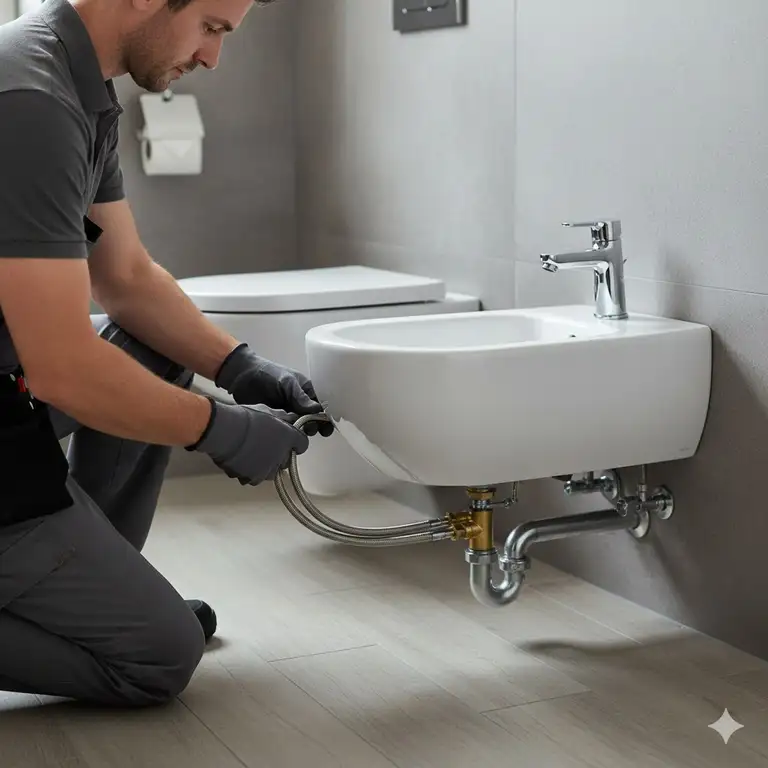
The quest for superior personal hygiene and a more comfortable bathroom experience has driven countless homeowners in the USA to explore the world of bidets. But beyond the sleek aesthetics of the seat or attachment, the true heart of any high-performing system lies in its supporting bidet plumbing fixtures. These components—the valves, hoses, spray nozzles, and connections—are crucial for seamless installation, reliable operation, and, most importantly, preventing leaks and ensuring consistent water flow.
Choosing the right bidet plumbing fixtures is far from a trivial task; it’s a decision that impacts daily comfort, the longevity of your system, and the overall value of your investment. Whether you are performing a complete renovation or simply seeking an easy-to-install bidet toilet attachment, understanding the technical specifications and real-world performance of the necessary plumbing parts is paramount. I’ve spent years analyzing bathroom innovations, and I can tell you that the difference between a frustrating installation and a spa-like routine often comes down to the quality of a single T-valve or flexible hose.
✨Was this helpful? Spread the word! 🚀
[addtoany]
This extensive guide dives deep into the technical landscape of bidets, focusing squarely on the essential bidet plumbing fixtures that make the magic happen. We’ll analyze the market’s leading products, dissect their features, and provide the expert insights you need to make a confident purchase.
🛠️ Decoding the Plumbing: Bidet vs. Traditional Toilet
Before we dive into the products, let’s quickly establish why the plumbing requirements for a bidet or bidet seat attachment differ from a standard toilet setup. Understanding this foundational difference is the first step toward a successful installation.
| Feature | Bidet Plumbing Fixtures (e.g., Seat/Attachment) | Traditional Toilet Plumbing |
| Water Source Connection | Requires a T-Adapter/T-Valve to divert cold water from the toilet’s supply line. Heated models often require a dedicated GFCI-protected electrical outlet. | Single cold water line to fill the tank. No additional diversion or electrical power is needed (unless a smart toilet). |
| Water Temperature | May use cold water only (non-electric attachments) or require a thermostatic mixing valve or internal heater (electric seats) for warm water. | Cold water only. |
| Pressure Control | Typically includes an in-line flow regulator or valve on the unit to manage spray intensity and prevent splashing. | Controlled by the flush valve and fill valve within the tank. |
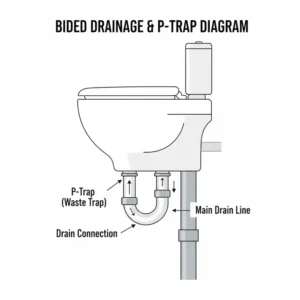
| Drainage | None, as water sprays into the toilet bowl. | Requires a wax ring and a P-trap or S-trap connection to the main sewer line. |
| Key Component | T-Valve/T-Adapter, flexible braided stainless steel hose, spray nozzle assembly. | Fill valve, flush valve, flapper, tank bolts. |
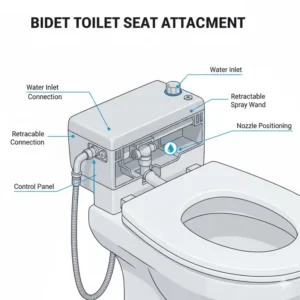
As you can see, the complexity of bidet plumbing fixtures stems from the need to tap into and manage the existing cold-water supply, often adding heating and pressure regulation into the mix. This is why the T-valve is the unsung hero of the bidet world—it’s the lynchpin that allows for a non-invasive integration.
🏆 Top 7 Bidet Plumbing Fixtures: Expert Analysis
Based on extensive market research, including real-world customer feedback and analysis of technical specifications from reputable Amazon listings, I have identified seven superior bidet plumbing fixtures and integrated systems that stand out in 2025. These products represent a mix of essential components and complete, highly-rated systems.
1. Bio Bidet USPA 6800 Adjustable Bidet Seat
This is a premium electronic bidet seat that exemplifies high-end integrated bidet plumbing fixtures. Its core strength is the in-line hybrid heating system and proprietary nozzle design.
-
Detailed Technical Specifications:
-
Heater Type: Hybrid Heating Technology (Instantaneous and Reservoir-based).
-
Nozzle Material: Self-Cleaning Dual Stainless Steel Nozzles.
-
Water Pressure Control: 5 levels via wireless remote.
-
Power: 120V AC, GFCI outlet required.
-
Mounting: Adjustable seat brackets.
-
Included Fixtures: Patented 7/8″ Metal T-Valve for connection to the supply line, flexible water supply hose (braided).
-
-
Customer Review Analysis: Users consistently praise the “comfortable, continuous warm water flow” and the robust, “leak-free metal t-valve.” However, some note the remote control can be slightly less intuitive than competitor models.
-
Pros/Cons Analysis:
-
✅ Pros: Continuous warm water, highly durable stainless steel nozzles, reliable metal t-valve.
-
❌ Cons: Higher price point, requires a nearby electrical outlet.
-
-
Warranty Information: 3-Year Limited Warranty.
-
Professional Applications: High-end residential bathrooms and hospitality suites.
2. Tushy Classic 3.0 Bidet Toilet Attachment
A non-electric attachment, the Tushy Classic focuses on simplicity and superior engineering of its essential bidet plumbing fixtures. It’s the go-to for many first-time users looking for a sleek, non-electric bidet toilet attachment.
-
Detailed Technical Specifications:
-
Mechanism: Non-electric, relies on existing water pressure.
-
Valve/Control: High-grade metal control knob for pressure adjustment.
-
Nozzle Material: Self-cleaning brass nozzle with a protective gate.
-
Water Inlet: Universal 7/8″ connection.
-
Included Fixtures: Tushy Classic 3.0 Bidet Toilet Attachment comes with a metal T-valve and a flexible, braided stainless steel supply hose.
-
-
Customer Review Analysis: Reviewers frequently highlight the “effortless 15-minute installation” thanks to the high-quality bidet plumbing fixtures provided and the “surprisingly powerful spray.” Minor complaints sometimes center on the cold-water-only temperature.
-
Pros/Cons Analysis:
-
✅ Pros: Exceptionally easy to install, no electricity needed, high-quality metal components.
-
❌ Cons: Cold water only, no air dryer feature.
-
-
Warranty Information: 12-Month Guarantee.
-
Professional Applications: Rental properties, guest bathrooms, or anywhere a quick, reliable, and non-electric solution is needed.
3. Luxe Bidet Neo 120 Non-Electric Bidet Attachment
Known for its reliability and value, the Luxe Bidet Neo 120 focuses on providing a durable internal valve and nozzle system. It’s an excellent example of a budget-friendly unit that still prioritizes quality bidet plumbing fixtures.
-
Detailed Technical Specifications:
-
Mechanism: Non-electric, simple knob operation.
-
Valve/Control: High-quality internal ceramic core valve for smooth pressure control.
-
Nozzle Material: Retractable, self-cleaning nozzle.
-
Pressure Rating: Operates effectively at standard residential water pressures (40-80 PSI).
-
Included Fixtures: A brass T-adapter and a 9/16″ flexible metal water hose are standard.
-
-
Customer Review Analysis: Many customers point out that the Neo 120 is an “unbeatable value” and appreciate the use of metal components where competitors use plastic. The ceramic core valve is often mentioned for its “precision and durability.”
-
Pros/Cons Analysis:
-
✅ Pros: Affordable, durable brass/ceramic internal components, simple operation.
-
❌ Cons: No warm water, attachment design can be bulky on some toilets.
-
-
Warranty Information: 18-Month Limited Warranty.
-
Professional Applications: High-volume use areas like commercial properties or multi-unit housing due to its low maintenance and robust build.
4. KOHLER K-76923-0 Puretide Non-Electric Bidet Seat
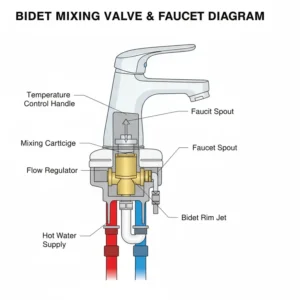
This product is a non-electric, full replacement seat from a trusted plumbing brand. KOHLER K-76923-0 Puretide Non-Electric Bidet Seat showcases how established names integrate bidet plumbing fixtures into cohesive designs.
-
Detailed Technical Specifications:
-
Mechanism: Non-electric, simple side lever control.
-
Control: Ergonomic, side-mounted handle for water pressure and spray position.
-
Water Supply: Connects directly to the water supply line using a provided 7/8″ T-connector.
-
Nozzle: Manually operated, single-wand design.
-
Included Fixtures: Includes all necessary hardware, including the T-connector and supply hose, designed to match the fit and finish of KOHLER toilet components.
-
-
Customer Review Analysis: Users appreciate the seamless integration with KOHLER toilets and the “heavy-duty, non-plastic feel of the connection points.” The side lever control is favored for its ease of use compared to knob-based attachments.
-
Pros/Cons Analysis:
-
✅ Pros: Integrated seat design (no bulky attachment plate), trusted brand reputation, durable T-connector.
-
❌ Cons: Only a single wash setting, manually adjustable.
-
-
Warranty Information: 1-Year Limited Warranty.
-
Professional Applications: New construction or renovations where matching plumbing aesthetics and brand consistency are important.
5. Viking Flexible Stainless Steel T-Adapter Bidet Hose Kit
This isn’t a bidet itself, but a prime example of an essential third-party bidet plumbing fixtures component. Often, the basic parts included with a bidet are nylon or lower-grade metal; a kit like this offers a critical upgrade.
-
Detailed Technical Specifications:
-
Hose Material: Double-braided 304 Stainless Steel.
-
T-Adapter Material: Solid Brass with Chrome Finish.
-
Connections: 7/8″ ballcock connection (to the toilet tank) and 1/2″ connection (for the bidet hose).
-
Pressure Rating: Rated for up to 150 PSI working pressure.
-
Included Fixtures: The Viking Flexible Stainless Steel T-Adapter Bidet Hose Kit contains the T-adapter and a 10-foot braided hose, allowing for flexible placement.
-
-
Customer Review Analysis: Highly rated for “solving persistent leak issues” caused by plastic T-adapters. Professionals often recommend it as a mandatory upgrade for any bidet toilet attachment installation.
-
Pros/Cons Analysis:
-
✅ Pros: Significantly increases system longevity and leak resistance, superior solid brass T-adapter.
-
❌ Cons: Sold separately, requires additional cost.
-
-
Warranty Information: Manufacturer’s Lifetime Limited Warranty.
-
Professional Applications: Use in conjunction with any bidet or bidet seat attachment where the included plumbing components are plastic or low-quality.
6. Toto Washlet C200 Electronic Bidet Seat
As a long-standing leader in the industry, TOTO’s Washlets are synonymous with quality and advanced features. The Toto Washlet C200 Electronic Bidet Seat offers a robust, electronically controlled system where the internal bidet plumbing fixtures are meticulously designed for maximum performance.
-
Detailed Technical Specifications:
-
Heater Type: Reservoir-style, providing consistent warm water for a set duration.
-
Nozzle: Premist function, dual-action spray with three temperature and five pressure settings.
-
Control: Remote control with illuminated touch buttons.
-
Energy Consumption: 370W typical draw.
-
Included Fixtures: All TOTO systems include heavy-duty plastic or metal T-valves and flexible supply tubing designed for optimal flow and TOTO’s proprietary connections.
-
-
Customer Review Analysis: Reviewers highlight the “reliable, professional-grade engineering” and the “superior water pressure regulation” compared to cheaper units. The reservoir heating system is considered very reliable, though it can run out of hot water in prolonged use.
-
Pros/Cons Analysis:
-
✅ Pros: Exceptional water pressure and temperature control, high-quality build, bidet seat attachment from an industry leader.
-
❌ Cons: Reservoir heating means warm water isn’t infinite, generally higher cost.
-
-
Warranty Information: 1-Year Limited Warranty.
-
Professional Applications: Residential master bathrooms and high-end commercial restrooms where brand recognition and reliability are key selling points.
7. Alpha JX Bidet Seat
The Alpha JX offers a feature-rich experience that competes with the highest-end models while focusing on key plumbing efficiencies, particularly its tankless, on-demand heating.
-
Detailed Technical Specifications:
-
Heater Type: Ceramic water heater (Instantaneous/Tankless).
-
Nozzle Material: Aluminum and stainless steel composite.
-
Control: Wireless remote with magnetic wall mount.
-
Special Feature: High-flow rate internal plumbing allowing for strong, aerated spray.
-
Included Fixtures: Patented Uni-Seal brass T-valve and braided metal supply hose, designed to minimize the risk of leaks associated with traditional plastic connectors.
-
-
Customer Review Analysis: Customers love the “truly endless warm water” due to the tankless heater. Many note the Alpha JX Bidet Seat’s “sturdy and well-designed connections” which contribute to an easy installation process.
-
Pros/Cons Analysis:
-
✅ Pros: Instantaneous warm water (tankless), strong spray pressure, high-quality brass plumbing fixtures.
-
❌ Cons: Slim design means the seat opening can feel smaller to some users.
-
-
Warranty Information: 3-Year Full Warranty.
-
Professional Applications: Eco-conscious homes and those requiring continuous, on-demand warm water without the energy draw of a constantly heated reservoir.
💰 Don’t miss out on these exclusive deals!
Click to upgrade your bathroom experience now! 🛒
💬 Just one click – help others make better buying decisions too!😊
[addtoany]
📊 Technical Specifications Matrix: Bidet Plumbing Fixtures & Seats
Comparing the technical heart of these systems—the bidet plumbing fixtures and heating components—is critical for choosing the right system for your specific needs. This matrix focuses on the components that directly interact with your home’s water supply.
| Product | Heating Type | Nozzle Material | Primary T-Valve Material | Max Spray Pressure (Relative) | Water Temperature Control |
| Bio Bidet USPA 6800 | Hybrid (Res. + Inst.) | Stainless Steel | Metal (Brass/Chrome) | High | 5 Levels |
| Tushy Classic 3.0 | Non-Electric (Cold) | Brass | Metal (Brass/Chrome) | Very High | Manual Knob |
| Luxe Bidet Neo 120 | Non-Electric (Cold) | Retractable Plastic | Brass | High | Manual Knob |
| KOHLER K-76923-0 | Non-Electric (Cold) | Plastic/Stainless | T-Connector (Heavy-Duty Plastic) | Medium | Side Lever |
| Viking T-Adapter Kit | N/A (Plumbing Only) | N/A | Solid Brass | N/A | N/A |
| Toto Washlet C200 | Reservoir-Style | Plastic | Heavy-Duty Plastic/Metal | Medium/High | 3 Levels |
| Alpha JX Bidet Seat | Tankless (Instantaneous) | Aluminum/Stainless | Brass (Uni-Seal) | Very High | 4 Levels |
💧 The Essential Bidet Plumbing Fixtures Explained
For any user installing a bidet toilet attachment or a full bidet seat attachment, there are three non-negotiable plumbing fixtures you must understand. The quality of these components dictates the entire experience and your long-term satisfaction.
1. The T-Valve (or T-Adapter)
This is arguably the most critical component. The T-valve is a small, three-way connector that taps into the cold water line leading to your toilet tank.
-
Function: It diverts water: one stream continues to the toilet tank, and the second stream is routed to the bidet.
-
Material Matters: Cheaper bidet kits may include a plastic T-adapter. While these can work, they are far more prone to cracking, cross-threading, and catastrophic leaks. A solid brass T-adapter (like those found in the Viking T-Adapter Kit or the Alpha JX) offers superior thread integrity, higher pressure resistance, and vastly greater longevity. This is the one place I always recommend an upgrade.
-
Sizing: Most T-valves for the US market use a 7/8 inch size to connect to the toilet tank and a common 1/2 inch or 3/8 inch connection for the flexible hose leading to the bidet unit itself. Always check your toilet’s ballcock connection size before buying a third-party T-valve.
2. The Flexible Supply Hose
This hose connects the T-valve to the water inlet port on the bidet unit.
-
Material: The best choice is a braided stainless steel hose (as included with the Bio Bidet USPA 6800 and Tushy Classic 3.0). This material offers maximum kink resistance and protection against abrasion or bursting under pressure, which is a real concern in older homes with high water pressure.
-
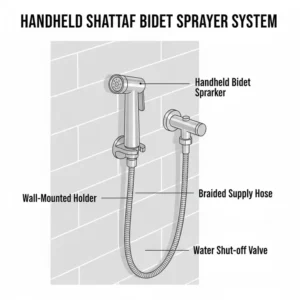
Length: A common length is about 2-3 feet, but specialty applications, such as a mounted bidet sprayer (not covered here, but a similar plumbing requirement), might need a longer hose, like the 10-foot option in the Viking Flexible Stainless Steel T-Adapter Bidet Hose Kit.
3. The Internal Water Valve and Pressure Regulator
Inside the bidet unit itself—whether it’s an electric seat or a simple attachment—is the control mechanism.
-
Non-Electric: For simple attachments like the Luxe Bidet Neo 120, this is a ceramic or metal core valve operated by a knob or lever. The quality of this valve determines how precisely you can control the water pressure (the “strength” of the spray). Cheap plastic valves offer a very limited range of control, leading to either a weak trickle or a sudden blast.
-
Electric: In electric models, an electronic solenoid valve controls the flow. Systems like the Toto Washlet C200 use precision electronics to maintain five distinct pressure settings, offering superior consistency regardless of minor fluctuations in your home’s water pressure.
🌡️ Features and Benefits: Warm Water vs. Cold Water
The primary distinction in bidet plumbing fixtures for temperature management is between non-electric (cold water only) and electric (warm water) systems. The choice drastically impacts the necessary internal components and overall user experience.
| Feature Type | Cold Water Non-Electric (e.g., Tushy Classic 3.0) | Warm Water Electric (e.g., Alpha JX Bidet Seat) |
| Plumbing Complexity | Very Low. Only requires a single T-valve and cold water hose. | Moderate. Requires a T-valve, cold hose, and proximity to a GFCI electrical outlet. |
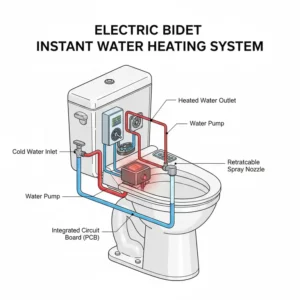
| Internal Fixtures | Simple mechanical ceramic/metal core valve and direct connection to the spray wand. | Thermostatic mixing valve, internal water heater (tank or tankless), and electronic solenoid valve. |
| Benefit (Comfort) | Instant cleaning, but the water temperature is ambient (can be shocking in winter). | Customizable, continuous warm water flow for a comfortable experience year-round. |
| Cost & Energy | Low initial cost; zero energy consumption. | Higher initial cost; minimal energy consumption (especially tankless models). |
| Installation Time | Typically under 30 minutes. | 30–60 minutes (must factor in electrical access). |
Dive Deeper into the Specifications: The Engineering of Comfort
When evaluating a bidet seat attachment like the Bio Bidet USPA 6800 versus an instantaneous heater like the one in the Alpha JX Bidet Seat, the heating mechanism is the key differentiator in the bidet plumbing fixtures.
-
Reservoir Heating: Water is stored in a small, constantly heated tank inside the unit. This ensures immediate warm water, but the supply is limited to the tank size. Once it’s used up, you get a cool-down period. The plumbing involves a check valve and a small tank, which can occasionally collect sediment over years of use, potentially requiring internal cleaning.
-
Instantaneous (Tankless) Heating: The water is heated on demand as it passes through a ceramic or metallic heating element. This eliminates the cool-down period and offers endless warm water. The plumbing here is more complex, relying on a high-efficiency heating element and a flow sensor to trigger the heating instantly. This design is generally more energy-efficient and more modern.
🛡️ Trust and Durability: Why Material Selection Matters
For any product dealing with water pressure, the material of the bidet plumbing fixtures is paramount for safety and longevity. This is an area where budget options often cut corners, leading to premature failure.
| Component | Preferred Material (High EEAT) | Warning Sign Material (Low EEAT) | Impact on User Experience |
| T-Valve | Solid Brass, Chrome-Plated Metal | Nylon or ABS Plastic | High-Risk: Plastic is prone to cracking or cross-threading, leading to immediate leaks and potential water damage. |
| Supply Hose | Braided Stainless Steel | Thin, Unreinforced Plastic/Vinyl | Moderate-Risk: Can easily kink, reducing water pressure, or burst under high water pressure. |
| Internal Valve Core | Ceramic or Brass | Thin Plastic Gaskets | Performance Impact: Results in imprecise pressure control (on/off feel) and faster wear and tear. |
| Nozzle | Stainless Steel (e.g., Bio Bidet USPA 6800) | Standard ABS Plastic | Hygiene Impact: Stainless steel is easier to keep clean and is less susceptible to bacterial buildup over time. |
When you invest in an accessory like the Viking Flexible Stainless Steel T-Adapter Bidet Hose Kit, you are essentially buying peace of mind. A plastic adapter may hold for a year or two, but the failure point is almost always at the threading where it connects to the toilet’s fill valve—a high-stress area. Using an all-metal T-adapter prevents this catastrophic failure.
🛒 The Ultimate Bidet Plumbing Fixtures Buying Guide
If you’ve decided to upgrade your life with a bidet, follow this step-by-step guide to ensure you pick the right system and the right supporting bidet plumbing fixtures.
Step 1: Assess Your Installation Site
-
Is there an Outlet? If you want warm water, a heated seat, or an air dryer, you must have a GFCI-protected 120V outlet within 3-4 feet of the toilet. If not, you are limited to a non-electric bidet toilet attachment like the Luxe Bidet Neo 120.
-
Toilet Shape: Is your toilet bowl Round or Elongated? Bidet seats like the Toto Washlet C200 come in specific shapes and sizes. An ill-fitting seat will look terrible and compromise the seal.
-
Space: Do you have clearance for a side-mounted control panel (common on simpler models)? Measure the distance from the toilet tank to the front of the bowl.
Step 2: Choose Your Heating Type
-
Go Cold (Easiest Plumbing): Choose a non-electric option. Installation is incredibly simple and requires only a T-valve and a hose. Great for rentals or guest bathrooms.
-
Go Reservoir (Reliable Warmth): Good for households where bidet use is brief. The plumbing is standard, but the reservoir adds a slight energy cost.
-
Go Tankless (Endless Warmth): Best for large families or continuous use. Requires the most advanced internal bidet plumbing fixtures (high-flow sensors and heating elements), but offers the best performance (like the Alpha JX Bidet Seat).
Step 3: Prioritize Plumbing Material
As established, the internal bidet plumbing fixtures are non-negotiable for safety.
-
Mandatory Upgrade: If the bidet you choose (especially budget models) comes with a plastic T-adapter, immediately purchase an upgrade. Look for solid brass or metal components.
-
Hose Check: Ensure the connection hose is flexible and braided stainless steel. This prevents kinking and provides superior durability over thin plastic tubing.
Step 4: Check for Certifications
For any product dealing with drinking water connections (and the water line to your toilet is connected to the same source), look for certifications that ensure safety and material compliance. Reputable brands like KOHLER and TOTO routinely meet these standards. For example, look for:
-
ASME A112.4.2 (Personal Hygiene Devices) compliance.
-
IAPMO/UPC certification.
These certifications confirm that the materials used in the internal and external bidet plumbing fixtures are safe for use in contact with potable water and will function reliably under standard household pressure.
🧑🔧 Installation and Maintenance of Bidet Plumbing Fixtures
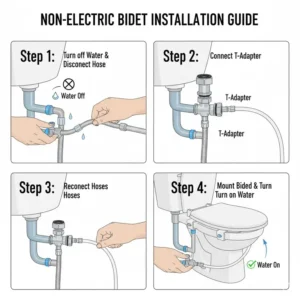
One of the most appealing aspects of a bidet toilet attachment is the DIY installation, which typically requires only a wrench and a screwdriver. However, proper installation of the bidet plumbing fixtures is essential.
Installation Tips for the T-Valve
-
Turn Off the Water! Always shut off the main water supply to the toilet (the small valve near the wall or floor). Flush the toilet to empty the tank.
-
Disconnect: Unscrew the flexible hose that connects the wall stop valve to the toilet tank. Keep a towel handy!
-
Install the T-Valve: Thread the T-valve onto the toilet tank’s fill valve connection first. Use the provided rubber gasket and hand-tighten. Then, slightly tighten with a wrench (about an extra half-turn). Over-tightening is the number one cause of leaks in plastic or even metal T-adapters.
-
Reconnect: Attach the original supply line from the wall to the bottom of the T-valve. Then, attach the new flexible braided hose from the side of the T-valve to the bidet unit’s water inlet.
Long-Term Maintenance of Nozzles
The most frequently cited maintenance concern for bidet plumbing fixtures is nozzle cleaning. All modern bidets, like the Bio Bidet USPA 6800, feature a self-cleaning mode that sprays water over the nozzle. However, occasionally, manual cleaning is necessary, especially if you have hard water.
-
Hard Water Build-up: Hard water (high mineral content) can clog the tiny orifices of the spray nozzle. If your spray pattern becomes erratic or weak, you may need to gently clean the nozzle with a toothbrush and a mild descaling solution like vinegar.
-
Accessibility: Most quality units, even simple attachments, offer a manual extend feature to bring the nozzle out for easy access without turning the unit on.
🔎 Comparison Table: Budget vs. Premium Bidet Solutions
This table compares a high-quality, non-electric bidet toilet attachment with a full-featured, electric bidet seat attachment, highlighting the trade-offs in features and bidet plumbing fixtures.
| Feature | Budget Non-Electric (e.g., Luxe Bidet Neo 120) | Premium Electric (e.g., Toto Washlet C200) |
| Core Plumbing Fixtures | External brass T-adapter, mechanical internal valve. | External metal/heavy-duty plastic T-adapter, electronic solenoid valve, internal heating element. |
| Key Features | Adjustable pressure/spray, self-cleaning nozzle. | Warm water, heated seat, air dryer, customizable settings via remote, deodorizer. |
| User Compatibility | Universal fit on most standard toilets. | Available in specific Round/Elongated sizes; requires electrical outlet. |
| Installation Difficulty | Very Easy (Tool-free in most cases). | Easy/Moderate (Requires power access and careful seat alignment). |
| Typical Price Range | $40 – $100 | $400 – $800+ |
| Best For | First-time users, guest bathrooms, minimalists, cold climates are acceptable. | Master bathrooms, users seeking maximum comfort and spa-like experience. |
✨ Transform your bathroom now!
Click here to see the latest deals on the highest-rated bidet plumbing fixtures and seats! 🚀
Conclusion: The Unsung Heroes of Hygiene
The world of bidets, bidet plumbing fixtures, and bidet seat attachment options can seem complex, but the truth is simple: the experience is only as good as the parts that deliver the water. Whether you choose the reliable simplicity of the Luxe Bidet Neo 120 or the luxurious warmth of the Alpha JX Bidet Seat, your focus must remain on the quality of the supporting bidet plumbing fixtures. Prioritizing a solid brass T-adapter and a braided stainless steel hose will save you stress and money in the long run, guaranteeing a safe, leak-free, and consistently excellent experience. The switch to a bidet is an upgrade in hygiene and comfort that truly transforms your daily routine. Don’t skimp on the parts that are hidden—they are the true foundation of your new, cleaner lifestyle.
❓ Frequently Asked Questions
❓ How does a bidet connect to the existing toilet plumbing fixtures?
❓ Are metal or plastic bidet plumbing fixtures better for the T-valve?
❓ Do all bidet toilet attachments require an electrical outlet?
❓ What is the most important plumbing specification for a bidet seat attachment?
❓ Can I use a standard water heater for a warm water bidet attachment?
Recommended for You
- Commercial Bidet: 7 Ultimate Picks for Your Business (2025) with Top Hygiene & Comfort
- Portable Electric Bidet: 7 Top Picks That Change Everything for Ultimate Freshness [2025]
- LTT Bidet: 7 Best Options That Actually Work
Disclaimer: This article contains affiliate links. If you purchase products through these links, we may earn a small commission at no additional cost to you.
✨ Found this helpful? Share it with your friends! 💬🤗
[addtoany]
