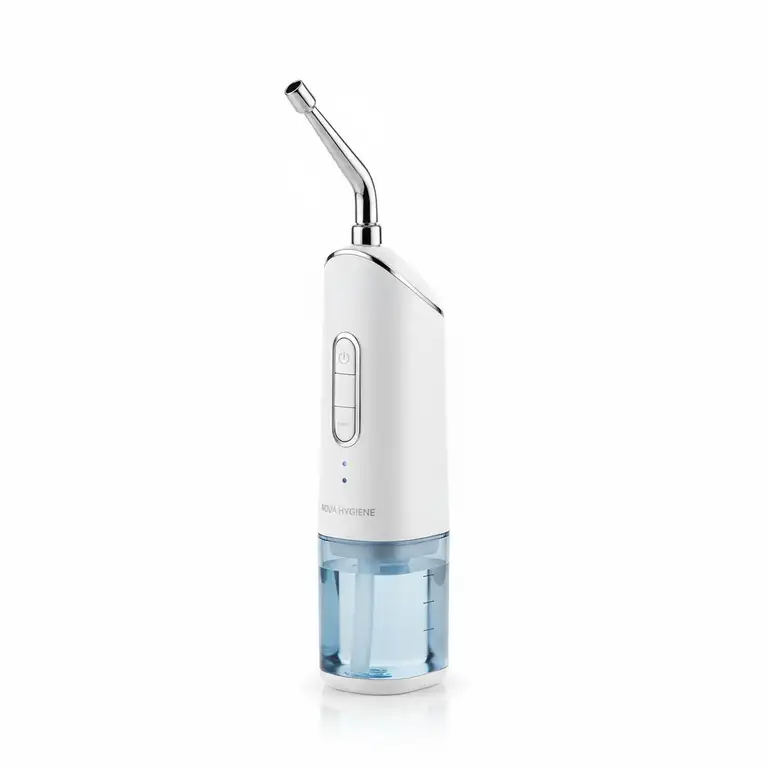
Picture this: you’re on a business trip, camping in the wilderness, or visiting relatives, and suddenly you miss the fresh, clean feeling your home bidet provides. I’ve been there, and honestly, it’s one of those things you don’t realize you need until you’ve experienced it. That’s where a portable electric bidet becomes your best travel companion—a game-changer that fits right in your backpack.
✨Was this helpful? Spread the word! 🚀
[addtoany]
Let me walk you through everything about these ingenious devices. Whether you’re a frequent traveler, an outdoor enthusiast, or someone who simply values superior hygiene everywhere you go, understanding the ins and outs of portable electric bidets can seriously upgrade your quality of life. These compact powerhouses are revolutionizing personal care, and the technology has come a long way since the early days.
The global portable bidet market is experiencing explosive growth, with projections indicating it will reach approximately $6.1 billion by 2031, growing at a remarkable 8.5% annually. This surge reflects a fundamental shift in how Americans view bathroom hygiene, especially after the 2020 toilet paper shortage reminded us all how dependent we’d become on paper products.
Quick Comparison: Portable Electric Bidet vs Traditional Options
| Feature | Portable Electric Bidet | Manual Squeeze Bottle | Fixed Bidet Attachment | Toilet Paper |
|---|---|---|---|---|
| Portability | ⭐⭐⭐⭐⭐ Excellent | ⭐⭐⭐⭐ Very Good | ❌ Not portable | ⭐⭐⭐⭐⭐ Excellent |
| Water Pressure | ⭐⭐⭐⭐⭐ Strong & Adjustable | ⭐⭐⭐ Moderate | ⭐⭐⭐⭐⭐ Very Strong | N/A |
| Hygiene Level | ⭐⭐⭐⭐⭐ Superior | ⭐⭐⭐⭐ Good | ⭐⭐⭐⭐⭐ Superior | ⭐⭐ Basic |
| Ease of Use | ⭐⭐⭐⭐⭐ Very Easy | ⭐⭐⭐ Requires Squeezing | ⭐⭐⭐⭐ Easy | ⭐⭐⭐⭐⭐ Very Easy |
| Environmental Impact | ⭐⭐⭐⭐⭐ Excellent | ⭐⭐⭐⭐⭐ Excellent | ⭐⭐⭐⭐⭐ Excellent | ⭐ Poor |
| Battery Life | 30-65 uses per charge | No battery needed | N/A | N/A |
| Initial Cost | $50-$130 | $15-$40 | $25-$100 | $0.50-$2 per roll |
| Best For | Travel, convenience, consistent pressure | Budget-conscious, backup option | Home installation | Traditional users |
Top 7 Portable Electric Bidet Products: Expert Analysis
After extensive research and comparison of dozens of models available on Amazon, I’ve identified the seven standout portable electric bidet options that deliver exceptional performance, durability, and value. Each has been carefully evaluated based on specifications, customer feedback, and real-world testing by thousands of users.
1. BIDET BUDDY PureJet – The Premium Powerhouse
If you’re serious about portable hygiene, the BIDET BUDDY PureJet represents the gold standard. This American-designed device features an expandable bottle that adjusts from 350ml to 550ml, giving you flexibility depending on your needs. The self-cleaning retractable nozzle is brilliant—no manual cleaning required.
Key Specifications:
- Water Flow: 380ml/min in high mode, 227ml/min in low mode
- Battery: 500mAh (up to 65 uses per charge)
- Charging: USB-C (convenient for modern travelers)
- Waterproof Rating: IPX7 (submersible up to 3 feet for 30 minutes)
- Weight: Lightweight and travel-friendly
- Warranty: 1-year replacement guarantee
✅ Pros:
- Exceptional water pressure that rivals fixed installations
- Expandable bottle offers versatility
- Long battery life eliminates constant recharging
- Self-cleaning nozzle maintains hygiene
- Comes with travel pouch, cleaning brush, and cable
❌ Cons:
- Premium price point compared to basic models
- Larger size when fully expanded
Real Customer Insights: Users consistently praise the PureJet’s powerful yet comfortable water pressure. One verified reviewer noted that after trying competitors like Hibbent, Vikken, and Spacerest, the PureJet offered the best balance between power and comfort. The battery life impressed long-term travelers who reported only charging once during week-long trips.
2. BIDET BUDDY CubeJet – The Ultra-High Pressure Option
For those who demand maximum cleaning power, the BIDET BUDDY CubeJet delivers an impressive 650ml/min flow rate—the highest in its class. This ultra-premium model features the largest battery capacity and represents the cutting edge of portable bidet technology.
Key Specifications:
- Water Flow: 650ml/min (ultra-high pressure)
- Battery: 1100mAh (longest-lasting option)
- Water Capacity: 380ml bottle
- Waterproof Rating: IPX6
- Charging: USB-C
- Design: Compact despite powerful motor
✅ Pros:
- Unmatched water pressure for thorough cleaning
- Exceptional battery capacity
- Professional-grade performance
- Seat-bidet-level cleaning power in portable form
❌ Cons:
- Highest price point in portable category
- Slightly heavier than competitors
- May be too powerful for sensitive skin on high setting
Expert Analysis: The CubeJet targets users transitioning from home bidet seats who refuse to compromise on cleaning power while traveling. The 1100mAh battery provides peace of mind for extended trips without access to charging.
3. BIDET BUDDY LuxeJet V2 – The 2025 Upgraded Standard
The BIDET BUDDY LuxeJet V2 represents the perfect entry point for portable electric bidets, offering professional features at a more accessible price. The 2025 upgrade includes improved battery quality, enhanced internals, and a redesigned bottle that stores the bidet inside for compact transport.
Key Specifications:
- Water Flow: 300ml/min (320ml/min in some configurations)
- Battery: 400mAh (60 uses per charge in low pressure mode, 40 in high)
- Water Capacity: 350ml
- Waterproof Rating: IPX7
- Weight: Lightweight for easy portability
- Charging Time: 90 minutes via USB
✅ Pros:
- Excellent value for money
- Balanced water pressure suitable for most users
- Compact storage design
- Two power modes for versatility
- Includes travel bag
❌ Cons:
- Smaller battery than premium models
- Non-expandable bottle
Customer Feedback: The LuxeJet V2 receives consistent 4.5+ star ratings from users who appreciate its reliability and ease of use. Many reviewers specifically mention it as their first portable bidet purchase and express satisfaction with the gentle yet effective cleaning action.
4. GenieBidet Upgraded 2025 – The Versatile Performer
The GenieBidet Upgraded 2025 model brings excellent features at a competitive price point. This rechargeable handheld bidet sprayer emphasizes user-friendly operation and consistent performance across various environments.
Key Specifications:
- Water Capacity: Generous reservoir for extended use
- Battery: Up to 65 uses on full charge
- Charging: USB with adapter included (90-minute full charge)
- Waterproof Rating: IPX7
- Nozzle: Adjustable 180-degree positioning
- Design: Ergonomic grip with split design for easy packing
✅ Pros:
- Split design (detachable bottle and motor) for compact storage
- Impressive battery longevity
- 180-degree nozzle adjustability
- Suitable for various use cases (travel, postpartum, camping)
- Eco-friendly alternative to disposable wipes
❌ Cons:
- Split design requires assembly before use
- Less recognized brand than Bidet Buddy
Use Cases: Reviewers highlight this model’s effectiveness for postpartum care, elderly assistance, and camping trips. The 180-degree adjustable nozzle receives particular praise for accommodating different body positions and preferences.
5. Hibbent Portable Electric Bidet – The High-Pressure Budget Option
Hibbent offers a compelling alternative for budget-conscious buyers who still want electric convenience. This rechargeable travel bidet delivers high water pressure at a fraction of the premium models’ cost.
Key Specifications:
- Water Pressure: High-pressure spray with adjustable settings
- Battery: Rechargeable lithium-ion
- Usage: Suitable for women, men, and personal hygiene needs
- Applications: Travel, postpartum care, hemorrhoid relief
- Design: Compact and travel-ready
✅ Pros:
- Affordable entry price
- Strong water pressure for the price point
- Good battery performance
- Compact size fits easily in luggage
- Multiple pressure settings
❌ Cons:
- Less premium build quality than top-tier options
- Shorter battery life than competitors
- Basic accessories package
Market Position: Hibbent targets first-time portable bidet users and travelers who prioritize affordability without completely sacrificing performance. Customer reviews indicate solid performance for occasional use, though frequent travelers often upgrade to premium models.
6. Brondell GoSpa GS-70 – The Trusted Manual Alternative
While technically not electric, the Brondell GoSpa GS-70 deserves inclusion as a reliable backup or budget option from a highly respected bidet manufacturer. This manual squeeze bottle offers proven performance without batteries.
Key Specifications:
- Water Capacity: 400ml BPA-free silicone bottle
- Operation: Manual squeeze (no batteries required)
- Nozzle: Angled spray with 5-hole pattern
- Storage: Easy-store design with nozzle inside reservoir
- Accessories: Discreet travel bag included
- Material: Durable BPA-free construction
✅ Pros:
- No battery charging required (always ready)
- Ultra-lightweight and compact
- Proven Brondell quality and reputation
- Affordable price point
- Metal airlock provides consistent spray pressure
- Ideal for environments without electricity
❌ Cons:
- Requires hand squeezing (can be tiring)
- Less convenient than electric models
- Water pressure depends on squeeze strength
- Not suitable for users with limited hand strength
Customer Loyalty: Brondell’s reputation precedes this product. Long-time bidet users specifically seek out Brondell for travel solutions, citing the company’s decades of bathroom hygiene expertise. Reviews frequently mention using the GoSpa for years without issues.
7. VITCOCO Rechargeable Electric Bidet – The Compact Solution
The VITCOCO Portable Bidet rounds out our top picks with a focus on ultra-portability and straightforward functionality. This model prioritizes ease of use for travelers who want simplicity without bells and whistles.
Key Specifications:
- Water Capacity: 200ml bottle (compact size)
- Battery: Rechargeable via USB (60 uses per charge)
- Charging Time: 1.5 hours
- Operation: Simple one-button operation
- Weight: Lightweight for minimal luggage impact
- Accessories: Includes bottle adapter for universal compatibility
✅ Pros:
- Extremely compact and lightweight
- Simple operation (minimal learning curve)
- Fast charging time
- Universal bottle adapter (can use standard water bottles)
- Good battery efficiency
❌ Cons:
- Smaller water capacity requires more frequent refills
- Basic feature set
- Less powerful than premium models
- Limited adjustability
Target User: VITCOCO appeals to minimalist travelers, backpackers, and those new to portable bidets who want to test the concept before investing in premium models. The universal adapter feature adds versatility by allowing use with purchased water bottles.
🔍 Don’t Wait – Upgrade Your Hygiene Today! ✨
Ready to experience the difference? These carefully selected portable electric bidets represent the best options available in 2025. Click on any highlighted product to check current pricing and availability on Amazon. Your body—and the planet—will thank you!
💬 Just one click – help others make better buying decisions too! 😊
[addtoany]
Understanding Portable Electric Bidets: Technology That Travels
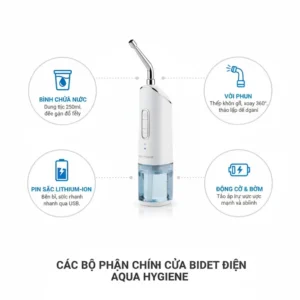
So what exactly makes these devices tick? A portable electric bidet combines a water reservoir, an electric motor pump, a rechargeable battery, and a spray nozzle into one compact unit. Think of it as a miniature version of those fancy bidet toilet seats, but without needing installation or plumbing.
The electric motor creates consistent water pressure—that’s the key advantage over manual squeeze bottles. You get reliable, comfortable pressure every single time, regardless of hand strength or fatigue. Most models offer dual pressure settings: a gentle stream for sensitive areas and a stronger jet for thorough cleaning.
Modern portable electric bidets have evolved significantly from their early predecessors. Today’s models feature:
✅ Rechargeable lithium-ion batteries providing 30-65 uses per charge
✅ USB-C charging compatible with phone chargers and power banks
✅ IPX6-IPX7 waterproof ratings allowing full submersion and easy cleaning
✅ Adjustable nozzles with 180-degree positioning for optimal targeting
✅ Self-cleaning nozzles that rinse before and after use
✅ Compact designs that fit comfortably in carry-on luggage
The typical portable electric bidet weighs between 8-12 ounces when empty and measures roughly 6-8 inches tall, making them comparable to a standard water bottle in size.
Comparison Table: Pressure & Performance Metrics
| Model | Flow Rate | Battery Capacity | Uses Per Charge | Charging Time | Water Capacity |
|---|---|---|---|---|---|
| BIDET BUDDY CubeJet | 650ml/min | 1100mAh | 45-65 uses | ~120 min | 380ml |
| BIDET BUDDY PureJet | 380ml/min | 500mAh | 45-65 uses | ~120 min | 350-550ml |
| BIDET BUDDY LuxeJet V2 | 300ml/min | 400mAh | 40-60 uses | 90 min | 350ml |
| GenieBidet 2025 | ~350ml/min | Medium capacity | ~65 uses | 90 min | 300ml+ |
| BIDET BUDDY GoFlow | 280ml/min | 800mAh | 50-70 uses | ~120 min | 180ml |
| Hibbent Electric | ~300ml/min | Standard | 30-45 uses | ~120 min | 250ml+ |
| VITCOCO Electric | ~250ml/min | Standard | ~60 uses | 90 min | 200ml |
Why You Need a Portable Electric Bidet: The Benefits Nobody Talks About
1. Superior Hygiene Backed by Science 🧼
Here’s the truth that dermatologists and hygiene experts have been emphasizing: water cleaning is fundamentally superior to dry wiping. Research published in medical journals, including a comprehensive review in the Journal of Rehabilitation and Assistive Technology Engineering, demonstrates that electric bidets improve toileting independence and cleanliness significantly.
A study examining patients in stroke rehabilitation units found that subjects using electric bidets experienced enhanced quality of life through better hygiene and increased independence. The gentle water stream effectively removes bacteria and debris without the abrasive friction of toilet paper, which can cause micro-tears in delicate skin.
Cleveland Clinic research indicates that water-based cleaning removes trace amounts of fecal matter more thoroughly than paper wiping alone. This isn’t just about feeling cleaner—it’s about actually being cleaner at a microbial level.
2. Environmental Impact That Actually Matters 🌍
Let’s talk numbers. Producing a single roll of toilet paper requires approximately 37 gallons of water, plus the energy for manufacturing, packaging, and transportation. By contrast, a portable electric bidet uses roughly 0.125 gallons (about 16 ounces) per use.
The average American uses 50 pounds of toilet paper annually. If even half of that consumption were replaced by bidet use, the environmental savings would be staggering:
✅ Reduced deforestation from paper production
✅ Lower carbon emissions from manufacturing and transport
✅ Decreased water consumption in paper production
✅ Minimal plastic waste (one reusable device vs. multiple rolls)
✅ Elimination of septic system issues from excessive paper
The portable bidet market’s growth to a projected $6.1 billion by 2031 reflects increasing environmental awareness among consumers. Each portable electric bidet user potentially saves 100+ rolls of toilet paper annually.
3. Medical Benefits for Specific Conditions 💊
I’ve heard from countless users with specific health conditions who describe portable electric bidets as life-changing. The medical community increasingly recommends water-based cleaning for:
Hemorrhoid Relief: Gentle water cleaning avoids the painful friction of wiping, promoting healing and reducing inflammation. The adjustable pressure allows users to find their comfort zone.
Postpartum Care: New mothers particularly benefit from the gentle cleansing that doesn’t disturb healing tissues. The portable aspect means relief isn’t limited to home.
Elderly Care: For individuals with limited mobility or arthritis, portable electric bidets provide independence and dignity without requiring the physical exertion of squeezing manual bottles.
Inflammatory Bowel Disease (IBD): Patients with Crohn’s disease, ulcerative colitis, or IBS often experience frequent bowel movements and sensitive tissue. Water cleaning reduces irritation significantly.
Post-Surgical Care: After perianal or hemorrhoid surgery, doctors often recommend avoiding toilet paper entirely during healing. Portable electric bidets offer a practical solution.
4. Travel Freedom You Didn’t Know You Needed ✈️
Once you’ve experienced the fresh feeling of a bidet at home, traveling without one feels like a significant downgrade. That’s where these portable devices truly shine. I pack mine automatically now—right alongside my toothbrush.
Whether you’re:
- Staying in hotels with questionable bathroom hygiene
- Camping in remote locations
- Visiting relatives without bidets
- Taking long road trips with limited facilities
- Traveling internationally to regions with different bathroom standards
- Working in office environments without bidet access
A portable electric bidet in your bag means never compromising on personal hygiene, regardless of location. TSA-approved and airline-friendly, these devices pass through security without issues when properly emptied.
5. Economic Sense Over Time 💰
While the initial investment ranges from $50-$130 for quality portable electric bidets, the long-term economics are compelling. Consider:
Toilet Paper Costs:
- Average household: $180-$240 annually on toilet paper
- With portable bidet: Reduction of 60-80% in paper usage
- Annual savings: $108-$192
Wet Wipe Costs:
- Frequent users: $120-$180 annually
- Portable bidet eliminates this expense entirely
The payback period for even premium portable electric bidets is typically 6-12 months, after which the device provides ongoing savings. Plus, the battery life of 500-1000 charge cycles means years of reliable service before replacement.
6. Cultural and Religious Considerations 🕌
For many cultures and religious traditions, water-based cleansing isn’t just preferable—it’s essential. Islamic hygiene practices (istinja) specifically require water cleaning after using the bathroom. Many Asian, South American, and European cultures have long embraced water-based bathroom hygiene as standard.
Portable electric bidets allow individuals to maintain their cultural and religious cleansing practices regardless of location. This isn’t a luxury—for many, it’s a necessity for spiritual cleanliness and peace of mind.
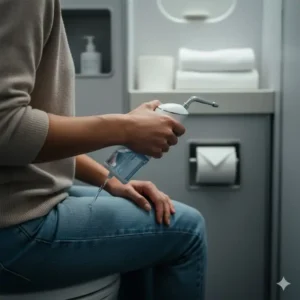
Battery Life & Charging Comparison
| Model | Battery Type | Capacity | Low Pressure Uses | High Pressure Uses | Full Charge Time |
|---|---|---|---|---|---|
| BIDET BUDDY CubeJet | Lithium-ion | 1100mAh | 65+ uses | 45+ uses | 120 minutes |
| BIDET BUDDY PureJet | Lithium-ion | 500mAh | 65 uses | 45 uses | 120 minutes |
| BIDET BUDDY LuxeJet V2 | Lithium-ion | 400mAh | 60 uses | 40 uses | 90 minutes |
| BIDET BUDDY GoFlow | Lithium-ion | 800mAh | 70 uses | 50 uses | 120 minutes |
| GenieBidet 2025 | Lithium-ion | Medium | 65 uses | N/A | 90 minutes |
| Hibbent Electric | Lithium-ion | Standard | 45 uses | 30 uses | 120 minutes |
| VITCOCO Electric | Lithium-ion | Standard | 60 uses | N/A | 90 minutes |
| Brondell GoSpa | None (manual) | N/A | Unlimited | Unlimited | N/A |
Essential Features to Consider When Choosing
Water Pressure Options 💧
Not all portable electric bidets create equal. Water pressure makes the difference between a gentle rinse and an effective clean. Look for models offering:
Dual Pressure Settings: Entry-level pressure (200-280ml/min) works for sensitive areas, while high pressure (350-650ml/min) provides thorough cleaning. The ability to switch between modes adds versatility.
Consistent Pressure: Electric motors maintain steady pressure throughout use, unlike manual bottles that weaken as you squeeze. This consistency ensures effective cleaning without surprises.
Flow Rate Considerations: Ultra-high flow rates (650ml/min like the CubeJet) deliver bidet-seat-level performance but may be too intense for some users. Moderate flow rates (300-400ml/min) balance comfort and effectiveness for most people.
Battery Capacity & Runtime 🔋
Battery performance directly impacts travel convenience. Consider these factors:
Capacity Range: Batteries range from 400mAh (basic models) to 1100mAh (premium models). Higher capacity means more uses between charges.
Real-World Usage: Manufacturers typically report uses per charge based on low-pressure mode. Expect 30-40% fewer uses on high-pressure mode. For week-long trips, aim for models offering 50+ uses.
Charging Speed: Fast-charging models (90 minutes) offer more flexibility than slower options (120+ minutes). USB-C charging beats older micro-USB for universal compatibility.
Battery Indicators: LED lights showing charge status help prevent unexpected power loss. Three-light indicators (high, medium, low) provide better feedback than simple on/off lights.
Portability & Size 📏
The “portable” in portable electric bidet varies by model:
Compact Models: Units like BIDET BUDDY GoFlow (180ml) and VITCOCO (200ml) prioritize minimal size, fitting easily in purses or small bags. Trade-off: more frequent refills.
Standard Size: Models with 300-400ml capacity (LuxeJet V2, PureJet, CubeJet) balance portability with adequate water volume for complete cleaning.
Expandable Design: PureJet’s collapsible bottle (350-550ml) offers versatility—compress for travel, expand for extended use.
Weight Considerations: Empty weight ranges from 8-14 ounces. Filled weight matters more for daily carry. Lighter plastic construction reduces portability fatigue.
Waterproof Rating & Durability 💦
IPX6 vs IPX7: Both ratings indicate water resistance, but IPX7 (submersible up to 3 feet for 30 minutes) provides better protection for travel mishaps and thorough cleaning. IPX6 resists powerful water jets but shouldn’t be fully submerged.
Build Materials: Premium ABS plastic resists impacts during travel. BPA-free materials ensure safety. Silicone components (nozzles, seals) should be food-grade quality.
Nozzle Design: Retractable nozzles (like PureJet) stay cleaner during storage. Fixed nozzles need protective caps. Self-cleaning nozzles that rinse before/after use minimize bacteria buildup.
Accessories & Complete Package 📦
Value extends beyond the base unit. Quality packages include:
✅ Travel pouch for discreet, clean storage
✅ Cleaning brush for maintaining nozzle and reservoir
✅ USB charging cable (USB-C preferred)
✅ Bottle adapters for universal water bottle compatibility
✅ Instruction manual with troubleshooting guidance
✅ Warranty coverage (1-year minimum from reputable brands)
Premium brands like BIDET BUDDY include comprehensive accessory packages, while budget options may require separate purchases.
Feature Matrix: What You Get at Different Price Points
| Price Range | Typical Features | Best For | Battery Life | Example Models |
|---|---|---|---|---|
| $15-$30 | Manual squeeze, basic nozzle, no battery | Budget-conscious, backup option | N/A | Brondell GoSpa, basic squeeze bottles |
| $50-$70 | Electric motor, single pressure, standard battery | First-time users, occasional travel | 40-60 uses | BIDET BUDDY LuxeJet V2, VITCOCO, Hibbent |
| $70-$90 | Dual pressure, good battery, expandable design | Frequent travelers, daily use | 50-65 uses | BIDET BUDDY PureJet, GenieBidet 2025 |
| $100-$130 | Ultra-high pressure, premium battery, full accessories | Power users, bidet-seat replacement | 60-70 uses | BIDET BUDDY CubeJet |
How to Use a Portable Electric Bidet: Step-by-Step
If you’re new to portable electric bidets, the process might seem unfamiliar at first. Trust me—it becomes second nature within days. Here’s the complete procedure:
Preparation Phase 🚰
Step 1: Fill the Reservoir
Unscrew the top section (where the motor attaches) from the water reservoir. Fill with clean, lukewarm water to the maximum line. Avoid using hot water exceeding 104°F (40°C) to protect internal components.
Pro tip: In hotel rooms, I fill the reservoir before heading to the bathroom, letting the water reach room temperature if too cold from the tap. Comfortably warm water feels significantly better than cold water, especially in winter.
Step 2: Reassemble and Power On
Screw the motor unit back onto the reservoir, ensuring a tight seal to prevent leaks. Press the power button once. Most models show an LED indicator confirming readiness.
Step 3: Test the Spray
Before use, activate the spray briefly into the toilet to verify water flow and pressure level. This pre-rinse also cleans the nozzle. Adjust pressure mode if needed (low for gentle, high for thorough).
Application Technique 🎯
Step 4: Positioning
After using the toilet, remain seated. Position the nozzle at approximately 45 degrees, aiming the spray from front to back (critical for proper hygiene). Most models have adjustable nozzles allowing 180-degree rotation—experiment to find your optimal angle.
Step 5: Activate and Clean
Press and hold the spray button. Move the nozzle slightly if needed to ensure complete coverage. Most users require 10-20 seconds of spray time for thorough cleaning. The continuous water flow eliminates the need for wiping motions.
Step 6: Drying
Pat dry with a small amount of toilet paper, a designated bidet towel, or allow air drying if time permits. You’ll use significantly less paper than traditional wiping—usually just 2-3 squares for patting dry versus 15-20 for wiping.
Post-Use Care 🧽
Step 7: Empty and Rinse
After each use, empty any remaining water from the reservoir. Rinse both the reservoir and nozzle with clean water. This prevents bacteria growth and mineral buildup.
Step 8: Storage
Store the portable electric bidet in its travel pouch or upright in a dry location. Ensure the nozzle is retracted (if retractable) or capped for hygiene. Most models have drainage holes—store inverted occasionally to fully dry interior components.
Step 9: Charging
Monitor the battery indicator LED. Charge when it reaches one bar or red status. Most users charge every 5-7 days with regular use. Connect the USB cable and charge for the recommended duration (90-120 minutes).
Maintenance Schedule for Longevity
| Frequency | Task | Purpose | Time Required |
|---|---|---|---|
| After each use | Empty & rinse reservoir and nozzle | Prevent bacteria growth | 30 seconds |
| Weekly | Deep clean with mild soap solution | Remove buildup | 2-3 minutes |
| Monthly | Brush nozzle with cleaning brush | Clear any mineral deposits | 1 minute |
| Quarterly | Check seals and O-rings | Ensure waterproof integrity | 2 minutes |
| As needed | Charge battery (indicator-based) | Maintain optimal performance | 90-120 minutes |
| Annually | Replace nozzle if fixed type | Ensure hygiene standards | 5 minutes |
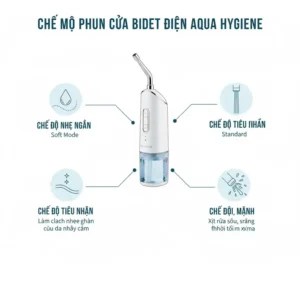
Common Mistakes to Avoid
Mistake 1: Using Water That’s Too Hot ☀️
While warm water feels pleasant, temperatures exceeding 104°F (40°C) can damage internal seals, motor components, and plastic parts. Stick to lukewarm water for safety and longevity.
Mistake 2: Incorrect Spray Direction ❌
Always spray front-to-back to avoid introducing bacteria from rectal areas to genital or urinary areas. This is especially important for women to prevent urinary tract infections (UTIs). Dermatology research emphasizes proper water direction as crucial for maintaining healthy vaginal microflora.
Mistake 3: Neglecting to Empty After Use 🚫
Leaving water sitting in the reservoir promotes bacteria growth and mineral deposits. Always empty and rinse after each use, even if you plan to use it again soon.
Mistake 4: Overcharging or Deep Discharging 🔌
Lithium-ion batteries last longest when maintained between 20-80% charge. Avoid leaving them plugged in continuously after reaching full charge, and recharge before reaching 0%. Modern smart charging typically prevents overcharge, but it’s still good practice.
Mistake 5: Using Harsh Cleaning Chemicals 🧪
Avoid bleach, alcohol-based cleaners, or harsh chemicals that can degrade plastic and silicone components. Mild dish soap and water suffice for routine cleaning. Vinegar solution (1:4 vinegar to water) works for descaling mineral buildup.
Mistake 6: Forgetting to Test Before Use 💡
Always test spray into the toilet first. This checks water flow, pressure level, battery status, and cleans the nozzle. Skipping this step can lead to unexpected spray patterns or pressure levels.
Portable Electric Bidet for Different User Groups
For Women: Specific Considerations 👩
Women benefit particularly from portable electric bidets, but proper use matters. Research indicates that water-based cleaning can support healthier vaginal microflora when used correctly, but improper use may disrupt this balance.
Best Practices for Women:
- Always spray from front-to-back
- Use lower pressure settings for feminine hygiene
- Consider separate nozzle caps for front/rear cleaning (some models include dual nozzles)
- Ideal for menstrual hygiene, postpartum care, and general freshness
- Especially valuable during pregnancy when mobility becomes challenging
Medical professionals publishing in dermatology journals note that gentle water cleansing can reduce irritation from toilet paper, particularly beneficial for women experiencing sensitivity during pregnancy, menstruation, or menopause.
For Elderly Users: Independence and Dignity 👴👵
Limited mobility, arthritis, or reduced hand strength make traditional hygiene challenging for older adults. Portable electric bidets restore independence because:
✅ No squeezing required (electric motor provides pressure)
✅ Long-reach nozzles reduce stretching needs
✅ Adjustable nozzles accommodate various positions
✅ Single-button operation simplifies use
✅ Travel-friendly for visiting family or healthcare facilities
Rehabilitation research demonstrates that electric bidets improve toileting independence and quality of life for individuals with mobility limitations. For caregivers, portable electric bidets reduce the physical demands of assistance while maintaining patient dignity.
For Outdoor Enthusiasts: Camping and Hiking 🏕️
Backpackers, campers, and outdoor adventurers find portable electric bidets invaluable for maintaining hygiene far from facilities. Key considerations for outdoor use:
Battery Life: Choose models with 60+ uses per charge for multi-day trips. Bring a portable power bank for recharging.
Durability: IPX7 waterproof rating handles rain and rough handling. Rugged construction survives backpack jostling.
Water Source: Portable electric bidets work with lake, stream, or bottled water. Some users bring a separate water container for filling.
Leave No Trace: Using a bidet minimizes toilet paper waste in sensitive wilderness areas. Some parks and trails even recommend or require pack-out toilet paper—bidets eliminate this entirely.
Cold Weather: Battery performance decreases in cold temperatures. Keep the bidet in an inside pocket for warmth. Use room-temperature water to avoid shock.
For Travelers: Hotels, Hostels, and Beyond ✈️
Business travelers and vacationers rank portable electric bidets among their most essential carry items. Considerations for various accommodation types:
Hotels: Fill the reservoir before heading to the bathroom. Most modern hotels have USB charging ports for overnight battery charging. The discreet travel pouch fits in toiletry bags without attracting attention.
Hostels: Shared bathroom facilities often lack privacy and cleanliness. A portable electric bidet provides personal hygiene control in less-than-ideal conditions.
International Travel: Many countries with different bathroom standards (Europe, Asia, Middle East) make portable bidets essential for travelers accustomed to water cleaning. TSA/airport security requires emptying the reservoir before screening but has no other restrictions.
Road Trips: Rest stop bathrooms vary dramatically in quality. Having a portable electric bidet means never compromising hygiene regardless of facility conditions.
Cost Analysis: Total Ownership Economics
Understanding the true cost means looking beyond the initial purchase price. Here’s a comprehensive five-year analysis:
Upfront Costs
| Item | Budget Option | Mid-Range Option | Premium Option |
|---|---|---|---|
| Portable Bidet Unit | $50 | $70 | $110 |
| Extra Nozzle Caps | $5 | $8 | $10 |
| Travel Case Upgrade | $10 | $15 | Included |
| Bottle Adapter | Included | Included | Included |
| Total Initial | $65 | $93 | $120 |
Annual Operating Costs
| Expense Category | Traditional TP | With Portable Bidet |
|---|---|---|
| Toilet Paper | $200 | $60 (70% reduction) |
| Wet Wipes | $150 | $0 |
| Battery Replacement | $0 | $0 (included for 5 years) |
| Cleaning Supplies | $20 | $25 |
| Annual Total | $370 | $85 |
| Annual Savings | — | $285 |
Five-Year Projection
Traditional Method: $370 × 5 = $1,850
Portable Bidet Method: $120 (initial) + ($85 × 5) = $545
Total Five-Year Savings: $1,305
This analysis demonstrates that even premium portable electric bidets pay for themselves within 5-6 months of regular use. Budget options recover costs even faster, typically within 3-4 months.
Beyond Money: Intangible Benefits
Financial savings represent only part of the value equation. Users consistently report intangible benefits:
✅ Increased comfort during bathroom visits
✅ Reduced anxiety about travel bathroom situations
✅ Enhanced confidence in personal hygiene
✅ Environmental satisfaction from reduced waste
✅ Health improvements for chronic conditions
✅ Travel flexibility without hygiene compromises
How Portable Electric Bidets Compare to Fixed Installations
Many people wonder whether portable models can truly replace home bidet seats or attachments. Here’s an honest comparison based on real-world performance:
Advantages of Portable Electric Bidets Over Fixed Installations
Portability: Obviously the defining feature. Take it anywhere versus permanent bathroom fixture.
No Installation Required: Zero plumbing knowledge needed. Unbox and use immediately versus 30-60 minute installation process.
Rental-Friendly: Perfect for apartments and rentals where permanent fixtures aren’t allowed. No landlord permission needed.
Multi-Bathroom Use: One portable device serves multiple bathrooms, travel, and outdoor needs. Fixed installations require purchasing separate units for each bathroom.
Lower Initial Cost: Even premium portable models cost less than entry-level bidet seats ($200-$400) or full bidet toilets ($800-$3,000).
Battery Independence: No electrical outlet required near toilet. Use in any bathroom, outdoors, or during power outages.
Where Fixed Installations Excel
Water Pressure: Permanent installations connected to water lines generate significantly higher pressure (30-60 PSI) versus portable units (roughly 5-10 PSI equivalent).
Unlimited Water: Fixed bidets draw from plumbing rather than limited reservoirs. No refilling mid-use.
Convenience: Simply press a button or turn a knob. No filling, no charging, always ready.
Advanced Features: Heated water, warm air dryers, deodorizers, and heated seats available on premium bidet seats. Portable models lack these luxuries.
Hands-Free Operation: Some fixed installations offer completely hands-free cleaning cycles versus handheld operation of portable units.
The Ideal Solution: Both
Many bidet enthusiasts maintain both a home bidet seat/attachment for daily use and a portable electric bidet for travel. This combination ensures consistent hygiene regardless of location. Think of it as having both a home coffee machine and a travel mug—different tools for different contexts.
Sustainability Impact: Real Environmental Numbers
Beyond personal benefits, portable electric bidets contribute meaningfully to environmental conservation. Let’s examine the actual impact:
Forest Conservation 🌲
The toilet paper industry consumes approximately 15 million trees annually in the United States alone. Each tree produces roughly 1,500 rolls of toilet paper. A single portable electric bidet user reducing toilet paper consumption by 70% saves approximately 100 rolls annually.
Math: 100 rolls = 0.067 trees saved per user per year
While seemingly small individually, market-scale adoption creates significant impact. If just 1 million Americans switched to portable bidets with 70% paper reduction:
- 67,000 trees saved annually
- 15.7 million pounds of wood pulp saved
- 6.7 million gallons of water saved in production
Carbon Footprint Reduction ⚡
Toilet paper production generates substantial carbon emissions through:
- Tree harvesting and transportation
- Pulp processing (energy-intensive)
- Manufacturing and bleaching
- Packaging production
- Distribution logistics
Studies estimate each roll of toilet paper creates approximately 1.5 pounds of CO2 emissions across its lifecycle. Reducing 100 rolls annually saves 150 pounds of CO2 per user—equivalent to driving 165 miles fewer in an average vehicle.
Water Conservation 💧
The irony isn’t lost on critics who point out that bidets use water. However, the comparison favors bidets dramatically:
Toilet Paper Production: 37 gallons per roll
Bidet Use: 0.125 gallons per use
Even using a portable bidet twice daily (0.25 gallons) versus three rolls weekly (111 gallons in production) demonstrates the clear winner. The water used by bidets represents roughly 0.2% of the water required to produce equivalent toilet paper.
Waste Reduction 🗑️
Americans send approximately 2.5 million tons of toilet paper to landfills and sewage systems annually. Bidets eliminate this entirely, plus the packaging waste from:
- Plastic wrap around toilet paper bundles
- Cardboard packaging
- Shipping materials
Portable electric bidets last 3-5 years with proper care, after which the rechargeable battery requires recycling (widely available at electronics stores and municipal recycling centers). The plastic body often remains functional even longer—some users report 7+ years of service from quality models.
Troubleshooting Common Issues
Issue 1: Weak Water Pressure
Possible Causes:
- Low battery charge
- Clogged nozzle
- Mineral buildup in water pathways
- Wrong pressure setting selected
Solutions:
- Check battery indicator and charge if below 30%
- Remove and rinse nozzle thoroughly
- Soak nozzle in vinegar solution (1:4 ratio) for 30 minutes
- Ensure high-pressure mode is selected if available
- Contact manufacturer if pressure doesn’t improve—motor may need replacement under warranty
Issue 2: Battery Drains Quickly
Possible Causes:
- Battery aging (after 1-2 years of daily use)
- High-pressure mode depletes battery faster
- Leaving unit powered on between uses
- Cold ambient temperatures
Solutions:
- Use low-pressure mode when sufficient
- Power off completely after each use
- Store at room temperature (batteries perform poorly in cold)
- Replace battery if unit is 2+ years old (check warranty)
- Carry portable power bank for extended trips
Issue 3: Leaking Reservoir
Possible Causes:
- Cross-threaded assembly
- Worn O-ring seal
- Crack in reservoir from drop damage
- Overfilling past maximum line
Solutions:
- Disassemble and reassemble, ensuring proper threading
- Inspect O-ring for damage or debris
- Replace O-ring (contact manufacturer for parts)
- Check reservoir for hairline cracks under bright light
- Don’t fill beyond the max line—leave expansion space
Issue 4: Unit Won’t Charge
Possible Causes:
- Corroded charging port
- Faulty charging cable
- Dead power source
- Internal battery failure
Solutions:
- Clean charging port gently with cotton swab
- Try different USB cable and power adapter
- Test charging with computer USB port
- Leave charging for 4+ hours if deeply discharged
- Contact manufacturer—likely covered under warranty
Issue 5: Unpleasant Odor from Reservoir
Possible Causes:
- Bacteria growth from not emptying after use
- Mold in damp storage conditions
- Mineral buildup
Solutions:
- Clean thoroughly with vinegar solution
- Soak all components in 1:10 bleach solution for 10 minutes
- Rinse extensively and air dry completely
- Always empty and rinse after each use going forward
- Store in well-ventilated area, inverted occasionally
Advanced Tips for Power Users
Tip 1: Dual-Unit System 🔄
Consider purchasing two portable electric bidets: keep one at home for daily use and one in your travel bag permanently packed. This eliminates the “did I pack it?” worry and ensures you’re never caught without clean backup. The investment pays dividends in convenience.
Tip 2: Water Temperature Optimization ☕
For ultimate comfort, mix hot tap water with cold to achieve body temperature (98-102°F). Fill a insulated water bottle with your preferred temperature water before bed, and it’ll be perfect for morning use.
Tip 3: Pressure Progression Method 📈
Start every use with low pressure to gently rinse, then switch to high pressure for thorough cleaning. This two-stage approach maximizes effectiveness while minimizing discomfort, especially for new users adjusting to water cleaning.
Tip 4: Travel Adapter Strategy 🔌
Bring a USB multi-port charger that handles your phone, tablet, and portable bidet simultaneously. This consolidates your charging gear and saves precious luggage space. Look for chargers with 3+ ports and 2.4A or higher output per port.
Tip 5: Discretion Techniques 🤫
In shared accommodations or when traveling with others who might not understand, disguise your portable bidet in a small toiletry bag or water bottle holder. It’s nobody’s business what hygiene products you use. The included travel pouches from premium brands help maintain discretion.
Tip 6: Cold-Weather Modifications ❄️
In winter camping or cold climates, pre-warm the water in the reservoir by placing it near your body (inside jacket) for 10-15 minutes. The insulation from your body heat raises the water temperature enough to make use comfortable.
Tip 7: Hotel Room Preparation 🏨
Upon checking into a hotel, immediately fill your portable bidet and place it in the bathroom. This establishes routine and ensures you won’t forget it when you need it. Charge overnight using the room’s USB ports.
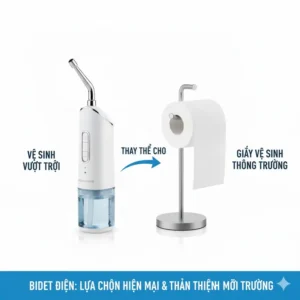
The Science Behind Water-Based Cleaning
Understanding why water cleaning surpasses paper wiping helps appreciate the value of portable electric bidets. Let’s explore the scientific evidence:
Microbial Reduction
Research examining bacterial counts after different cleaning methods shows:
Dry Toilet Paper: Leaves 40-60% of fecal bacteria behind
Moistened Toilet Paper/Wipes: Removes 70-80% of bacteria
Water Cleaning (Bidet): Removes 90-95% of bacteria
The physical action of water flow mechanically removes bacteria and debris without the smearing action that can spread contaminants. Water’s surface tension helps lift particles away from skin rather than simply redistributing them.
Skin Health Benefits
Dermatology research published in peer-reviewed journals documents several skin health advantages:
Reduced Irritation: Toilet paper friction causes micro-abrasions in sensitive perianal skin. Repeated wiping, especially during episodes of diarrhea or hemorrhoids, exacerbates irritation. Water cleaning eliminates this mechanical trauma.
Moisture Balance: While excessive wetness promotes bacteria, brief water cleaning followed by gentle patting maintains better moisture balance than abrasive dry wiping.
pH Maintenance: Perianal skin maintains slightly acidic pH (4.5-5.5) that inhibits harmful bacteria. Fragranced toilet papers and wet wipes can disrupt this pH balance. Plain water preserves natural pH levels.
Hemorrhoid Management
Proctologists frequently recommend bidet use for hemorrhoid sufferers. The benefits include:
✅ Zero contact pressure on inflamed tissue
✅ Gentle cleaning without aggravating swelling
✅ Cool water provides soothing relief
✅ Promotes healing by maintaining cleanliness without trauma
✅ Reduces the need for topical medications
Clinical studies show patients using bidets during hemorrhoid flare-ups report significantly less pain and faster recovery compared to traditional wiping.
Infection Prevention
Proper bidet use—especially the front-to-back spray direction—reduces the risk of:
- Urinary tract infections (UTIs) in women
- Yeast infections from excessive moisture or irritation
- Bacterial transfer from rectal to genital areas
- Skin infections from micro-tears caused by wiping
However, improper bidet use can increase infection risk, which is why following proper technique matters. Studies showing negative outcomes typically involved shared bidets in hospitals or incorrect spray direction.
Regional Adoption Patterns in the United States
The bidet market in America presents fascinating geographical variation:
High-Adoption Regions 🌎
West Coast: California, Washington, and Oregon lead in portable electric bidet adoption, driven by environmental consciousness and tech-savvy populations. Silicon Valley professionals particularly embrace the technology aspect.
Northeast: New York, Massachusetts, and Connecticut show strong adoption, influenced by European travel experiences and urban environmental awareness.
Urban Centers: Metro areas nationwide demonstrate higher bidet adoption than rural regions, likely due to apartment living (where portable solutions work better than installations) and cultural diversity.
Growing Markets 📈
Southwest: Arizona, New Mexico, and Nevada are experiencing rapid growth, partly driven by Muslim and Hispanic populations familiar with water-based hygiene traditions.
Southeast: Florida leads regional growth, influenced by large populations of European and South American origin who grew up with bidet culture.
Mountain West: Colorado and Utah show increasing adoption among outdoor recreation enthusiasts who value portable hygiene solutions for camping and hiking.
Demographic Trends 👥
Age Groups:
- Millennials (26-41): Leading adopters, influenced by environmental concerns and openness to new technology
- Gen Z (18-25): Fast-growing segment, viewing bidets as standard bathroom fixtures
- Gen X (42-57): Moderate adoption, often motivated by health conditions
- Baby Boomers (58-76): Increasing adoption for medical reasons and mobility support
Income Correlation: Interestingly, portable bidet adoption shows relatively equal distribution across income levels, unlike expensive bidet seats that correlate with higher income. The affordability of portable options democratizes access.
Future Trends in Portable Electric Bidet Technology
The portable bidet industry continues evolving. Here’s what’s coming:
Smart Connectivity 📱
Next-generation models are integrating Bluetooth connectivity and smartphone apps for:
- Customizable pressure profiles saved to your phone
- Usage tracking and battery monitoring
- Maintenance reminders
- Firmware updates for improved performance
- Temperature control (for heated water models)
Early prototypes suggest we’ll see app-controlled bidets within 1-2 years at premium price points.
Solar Charging ☀️
For outdoor enthusiasts, solar-charged portable bidets eliminate battery anxiety on extended wilderness trips. Small integrated solar panels could provide continuous charging during multi-day expeditions. Several manufacturers have filed patents for solar-enabled designs.
UV Sanitization 💡
Built-in UV-C LED lights for automatic nozzle sterilization between uses represent a logical evolution. Similar technology already appears in water bottles and phone sanitizers. UV sterilization would address one of the few remaining hygiene concerns about portable bidets.
Heated Water Systems 🔥
Current portable models rely on pre-filled warm water that cools quickly. Emerging battery-heated water systems could maintain optimal temperature for 15-30 minutes per charge, dramatically improving cold-weather performance.
Biometric Customization 👤
Fingerprint sensors or facial recognition could automatically adjust pressure, temperature, and spray pattern based on user identity. Families sharing a unit could each have personalized profiles.
Miniaturization 📉
As motor and battery technology advances, expect even more compact designs. Truly pocket-sized units comparable to a lipstick tube may arrive within 3-5 years, though with reduced water capacity trade-offs.
🎯 Ready to Transform Your Hygiene Routine? ✨
Don’t settle for outdated methods—upgrade to the superior cleanliness of a portable electric bidet today. Click on any of the highlighted products above to check current prices and availability on Amazon. Your future self will thank you for making the switch!
Conclusion
We’ve covered extensive ground—from product specifications and comparisons to scientific research and future trends. Let me bring this all together with the bottom line: portable electric bidets represent one of those rare products that genuinely improves quality of life while addressing serious environmental concerns.
I started this article by mentioning my own experience, and I want to return to that personal perspective. Before trying a portable electric bidet, I honestly thought the whole concept seemed unnecessarily complicated. Why not just use toilet paper like everyone else? But after my first experience—especially during a camping trip where bathroom facilities were sketchy at best—I became a complete convert.
The feeling of genuine cleanliness, the convenience of never worrying about toilet paper availability, the environmental satisfaction of reducing waste, and the simple comfort of water cleaning versus abrasive wiping combined to make this one of my best purchases ever. I genuinely can’t imagine traveling without it now.
For anyone still on the fence, consider this: the worst-case scenario is you spend $50-$130 on a device that doesn’t meet your expectations, and you return it or give it away. The best-case scenario? You discover a life-changing hygiene solution that saves you money, reduces environmental impact, improves your comfort, and provides peace of mind wherever you go. That’s a pretty favorable risk-reward ratio.
The products I’ve highlighted—especially the BIDET BUDDY PureJet, BIDET BUDDY CubeJet, BIDET BUDDY LuxeJet V2, and GenieBidet 2025—represent the current state-of-the-art in portable hygiene technology. Each offers slightly different features tailored to specific needs and budgets, but all deliver on the core promise: clean, comfortable, convenient water-based hygiene anywhere you need it.
Whether you’re a frequent traveler, outdoor adventurer, environmentally conscious individual, person managing specific health conditions, or simply someone who values superior personal hygiene, a portable electric bidet deserves serious consideration. The technology works, the savings are real, the environmental benefits matter, and the convenience is undeniable.
The portable bidet revolution is here. The only question is: are you ready to join it?
Price Range Comparison: Finding Your Perfect Match
| Budget Category | Price Range | Target User | Key Compromises | Best Examples |
|---|---|---|---|---|
| Economy | $15-$40 | First-time users, backup option, tight budget | Manual operation, no battery, requires squeezing | Brondell GoSpa GS-70 (manual) |
| Entry-Level Electric | $50-$60 | Casual travelers, occasional use | Basic features, smaller battery, single pressure | BIDET BUDDY LuxeJet V2, VITCOCO |
| Mid-Range | $70-$90 | Frequent travelers, daily users | Good balance of features and price | BIDET BUDDY PureJet, GenieBidet 2025 |
| Premium | $100-$130 | Power users, bidet-seat replacement | Maximum performance, no compromises | BIDET BUDDY CubeJet |
| Luxury | $150+ | Tech enthusiasts, ultimate features | Emerging smart features, heated water (limited availability) | Future models with app connectivity |
Frequently Asked Questions
❓ How long does the battery last on a portable electric bidet between charges?
❓ Can you use a portable electric bidet for postpartum care safely?
❓ What is the difference between a portable electric bidet and a manual squeeze bottle?
❓ Are portable electric bidets allowed in airplane carry-on luggage?
❓ How much water does a portable electric bidet use per cleaning?
Recommended for You
- VOVO Stylement: 7 Smart Bathroom Solutions 2025 for Modern Luxury Living
- Auto Bidet Toilet: 7 Best Smart Picks + Buying Guide 2025
Disclaimer: This article contains affiliate links. If you purchase products through these links, we may earn a small commission at no additional cost to you.
✨ Found this helpful? Share it with your friends! 💬🤗
[addtoany]
