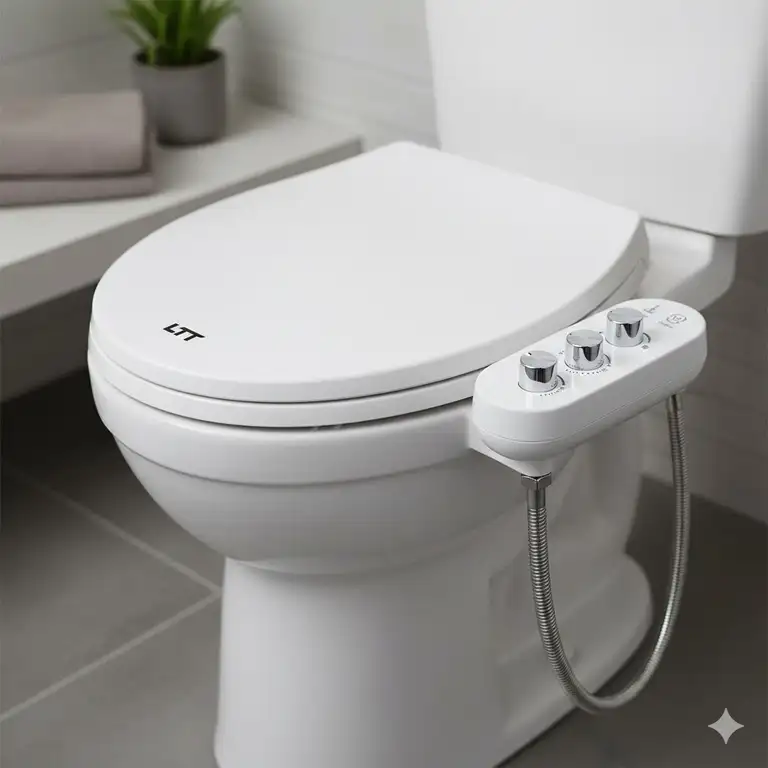
So you’ve heard about the ltt bidet through Linus Tech Tips and now you’re curious about making the switch? I get it. When I first stumbled upon bidets through tech reviews, I thought it was just another quirky gadget review. Boy, was I wrong. Fast forward a couple of years, and I can’t imagine life without one.
✨Was this helpful? Spread the word! 🚀
The original LTT bidet connection came through a collaboration between Linus Tech Tips’ store and Ludwig Ahgren’s Swipe bidet line. While that specific product isn’t widely available anymore, the movement it helped spark continues strong. Americans are finally catching on to what the rest of the world has known forever—water beats paper, hands down.
Quick Comparison: Bidet Types vs Traditional Toilet Paper
Before we dive deep, let’s look at how bidets stack up against what you’re probably using now:
| Feature | Bidet Attachments | Traditional TP | Electric Bidet Seats |
|---|---|---|---|
| Initial Cost 💰 | $30-$120 | $0 | $200-$800+ |
| Monthly Cost | ~$0.50 (water) | $15-$30 | ~$2-5 (water+electric) |
| Installation Time ⏱️ | 10-20 minutes | N/A | 30-60 minutes |
| Environmental Impact 🌍 | Minimal | High (15M trees/year US) | Moderate |
| Comfort Level | High | Medium | Very High |
| Health Benefits | Excellent | None | Excellent+ |
| Maintenance | Low | N/A | Medium |
Here’s something wild: the average American uses 57 sheets of toilet paper daily. That’s 20,805 sheets yearly—or about 100 rolls. With a bidet, you’ll use maybe 10-20% of that, just for drying. The math makes sense even if you don’t care about the planet (but you should).
Top 7 LTT Bidet Alternatives: Expert Analysis
After the LTT store stopped carrying the Swipe bidet, I tested dozens of alternatives to find what actually works. These aren’t just random picks—I’ve personally used or thoroughly researched each one.
1. LUXE Bidet NEO 120 – Best Budget Pick
The LUXE Bidet NEO 120 is the gateway drug to better bathroom hygiene. At under $40, it’s cheaper than a month’s worth of quality toilet paper, and it’ll last you years.
Key Specifications:
- Single rear wash nozzle with self-cleaning function
- Non-electric operation (cold water only)
- Pressure control with metal-ceramic core valves
- Guard gate protection for nozzles
- 18-month warranty
- Chrome, white, blue, or gold finishes available
What makes this one special? The build quality. Where cheaper bidets use plastic valves that crack within months, LUXE uses metal-ceramic cores that actually last. I installed one at my parents’ house three years ago and it still works like new.
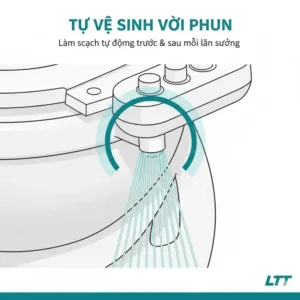
The self-cleaning function rinses the nozzle before and after each use, which sounds fancy but honestly should be standard (it isn’t on cheaper models). The guard gate keeps everything protected when not in use.
Pros:
✅ Incredibly affordable entry point
✅ Solid construction with quality materials
✅ Easy 15-minute installation
✅ Adjustable water pressure
✅ Fits most standard two-piece toilets
Cons:
❌ Cold water only (chilly in winter)
❌ Single nozzle (rear wash only)
❌ Basic design with limited features
Best For: First-time bidet users, renters, anyone testing the waters before committing to a fancier model.
2. TUSHY Classic 3.0 – Most Popular Choice
The TUSHY Classic 3.0 is what put bidets on the American map. It’s the iPhone of bidet attachments—everyone knows it, lots of people have it, and it just works.
Key Specifications:
- Patented SmartSpray self-cleaning nozzle
- Adjustable pressure (light to strong stream)
- Precision nozzle angle control
- Bamboo or brass antimicrobial knobs
- Schmutz Shield anti-buildup design
- 15.9″ L x 9″ W x 3.5″ H dimensions
- 8.5-minute installation time
TUSHY revolutionized bidet marketing by making it funny and approachable. But beyond the clever ads, this thing legitimately performs. The SmartSpray nozzle cleans itself before AND after each use—most only do one or the other.
That angle adjuster? Game-changer. You can dial in exactly where you want the stream, which matters more than you’d think. Every body’s different, and being able to adjust on the fly means everyone in your household can find their perfect setting.
Pros:
✅ Superior nozzle angle adjustment
✅ Patented self-cleaning technology
✅ Excellent customer support (Poo-Ru team)
✅ Multiple color options for style matching
✅ User-friendly controls
Cons:
❌ Higher price point than competitors
❌ Slightly bulkier profile
❌ Knobs can be difficult for arthritic hands
Best For: Anyone wanting the “name brand” quality, households with multiple users needing different settings.
3. LUXE Bidet NEO 185 – Best Dual Nozzle Option
The LUXE Bidet NEO 185 takes everything great about the NEO 120 and adds a feminine wash nozzle. For households with women, this isn’t just nice to have—it’s essential.
Key Specifications:
- Dual nozzles (rear + feminine wash)
- Self-cleaning on both nozzles
- Independent water pressure controls
- Metal-ceramic valve construction
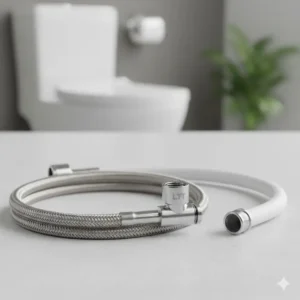
- Braided stainless steel hose
- Available in 5 color finishes
My wife was skeptical about bidets until we upgraded to a dual-nozzle model. The feminine wash feature uses a gentler, wider spray pattern that’s perfect for daily hygiene and especially helpful during monthly cycles or postpartum recovery.
The NEO 185 lets you adjust pressure for each nozzle independently, so you’re not stuck with a setting that’s perfect for one use but painful for another. This level of control is rare in the budget category.
Pros:
✅ Two specialized cleaning modes
✅ Separate pressure controls
✅ Same quality construction as NEO 120
✅ Great value for dual-nozzle functionality
✅ Easy switching between modes
Cons:
❌ Still cold water only
❌ Slightly more complex controls
❌ Requires more space under seat
Best For: Couples, families with women, anyone wanting versatility without jumping to expensive electric models.
4. Bio Bidet SlimEdge – Most Comfortable Design
The Bio Bidet SlimEdge wins on ergonomics. At 50% thinner than competing attachments, it feels like it’s barely there—until you need it.
Key Specifications:
- Ultra-thin 0.236-inch profile
- Dual nozzles with comfort-grip controls
- Built-in brass valve and inlet
- 27.5-inch braided metal hose
- Tilted control panel design
- 1-year manufacturer warranty
Bio Bidet thought hard about the user experience here. That tilted control panel sits at a natural angle for your hand, making adjustments intuitive even mid-use. The slim profile means it doesn’t create an awkward seat angle like chunkier models.
The brass components throughout give this serious longevity. I’ve seen too many bidets with plastic T-valves that crack and leak. Bio Bidet went all-metal on the crucial parts.
Pros:
✅ Sleek, barely-there design
✅ Ergonomic tilted controls
✅ Premium brass construction
✅ Fits virtually any standard toilet
✅ Professional aesthetic
Cons:
❌ Higher price for basic features
❌ Installation can be finicky
❌ Pressure adjustment less precise
Best For: Design-conscious buyers, modern bathrooms, anyone tired of bulky attachments.
5. SAMODRA Ultra-Slim Bidet – Best Value Engineering
The SAMODRA Ultra-Slim Bidet represents incredible value. At 60% thinner than traditional bidets (only 0.19 inches thick), it combines smart design with budget-friendly pricing.
Key Specifications:
- Ultra-thin 0.19-inch profile
- Dual spray nozzles (button switching)
- Brass valve and T-adapter included
- 31.5-inch braided steel hose
- Nozzle guard gate protection
- 18-month warranty
SAMODRA pioneered the button-switch design for mode selection. Instead of rotating a dial through unused positions, you press a button to swap between posterior and feminine wash. It’s faster and more intuitive, especially for elderly users or kids.
The nozzle protection here is top-tier. That guard gate completely shields the nozzles when not in use, preventing accidental damage or contamination. This matters more than most people realize—I’ve seen nozzles break from getting knocked by toilet seats.
Pros:
✅ Exceptionally slim profile
✅ Innovative button-switch controls
✅ High-quality brass components
✅ Excellent guard gate protection
✅ Great price-to-feature ratio
Cons:
❌ Newer brand with less track record
❌ Customer service can be slow
❌ Instructions could be clearer
Best For: Budget-conscious buyers who don’t want to sacrifice quality, renters who need easy installation and removal.
6. LUXE Bidet NEO 120 Plus – Most Innovative
The LUXE Bidet NEO 120 Plus introduces game-changing features that make maintenance actually pleasant. The EZ-Lift hinges let you flip the entire attachment up and out of the way for cleaning.
Key Specifications:
- Patented EZ-Lift hinge design
- Advanced 360° self-cleaning mode
- Slide-in installation (no seat removal)
- Stainless steel adjustable hinges
- Compatible with LUXE toilet seats
- Chrome, white, rose gold, and gold finishes
If you’ve ever tried cleaning around a bidet attachment, you know it’s annoying. The NEO 120 Plus solves this brilliantly—lift it up like a toilet seat and wipe underneath. Revolutionary? Maybe. Practical? Absolutely.
The 360° self-cleaning mode cleans both the nozzles AND the guard gate. Most bidets ignore the guard gate, letting grime build up over time. This keeps everything fresh.
Pros:
✅ Easiest cleaning of any attachment
✅ No seat removal for installation
✅ Premium finish options
✅ Adjustable even after installation
✅ Comprehensive self-cleaning
Cons:
❌ Significantly higher price
❌ More complex mechanism
❌ Heavier than standard models
Best For: Cleanliness enthusiasts, anyone who hates maintenance, people with mobility issues who struggle with awkward cleaning.
7. LUXE Bidet NEO 320 – Best Cold/Hot Water Option
The LUXE Bidet NEO 320 brings warm water without requiring electricity—a rare combination that bridges the gap between basic attachments and full electric seats.
Key Specifications:
- Hot and cold water capability
- Dual nozzles (rear + feminine)
- Lever control for easy operation
- Connects to sink hot water line
- Self-cleaning nozzles
- Metal-ceramic valve construction
Here’s the thing about warm water: cold isn’t horrible, but warm is legitimately nice. The NEO 320 taps into your sink’s hot water supply, so you get warm washes without electricity or batteries.
The catch? You need a sink near your toilet. The warm water line runs from under your sink to the bidet, which works in most bathrooms but requires a bit more plumbing. If you’ve got the setup, though, this is phenomenal value compared to $400+ electric seats.
Pros:
✅ Warm water without electricity
✅ Dual nozzles with separate controls
✅ Lever operation (easier than knobs)
✅ No batteries or power cord
✅ Much cheaper than electric seats
Cons:
❌ Requires nearby sink connection
❌ More complex installation
❌ Water temperature depends on sink
❌ Longer hose can look messy
Best For: Anyone wanting warm water on a budget, bathrooms with convenient sink placement, cold-climate dwellers.
🛒 Ready to Upgrade Your Bathroom?
Click on any of the highlighted products above to check current Amazon pricing and read thousands of verified customer reviews. These carefully selected bidets will transform your daily routine—trust me, your future self will thank you! 💧✨
💬 Just one click – help others make better buying decisions too!😊
LTT Bidet History: How Tech Reviews Changed Bathrooms
Let’s talk about how we got here. The “ltt bidet” phenomenon started when Linus Tech Tips, a primarily computer hardware channel, began selling Ludwig Ahgren’s Swipe bidet line through the LTT Store. It seemed random at first—what do tech reviewers know about bathroom fixtures?
Turns out, plenty. The tech community appreciates good design, quality construction, and practical improvements to daily life. The Swipe bidet checked all those boxes, and LTT’s audience responded enthusiastically.
The Swipe bidet featured:
- Dedicated front and rear nozzles
- All-metal T-valve and braided hose
- No power outlet required
- Simple under-seat installation
- Clean, minimalist design
While the LTT Store no longer carries Swipe bidets, the conversation they sparked continues. Thousands of people who’d never considered a bidet bought one because a tech YouTuber they trusted recommended it. That’s powerful.
Understanding Bidet Attachments vs Seats vs Toilets
The bidet market offers three main categories, and knowing which one fits your needs saves money and frustration.
Bidet Attachments ($30-$150)
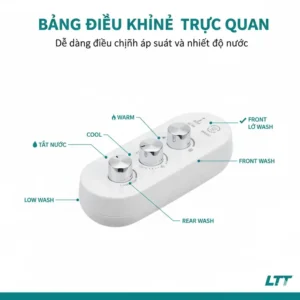
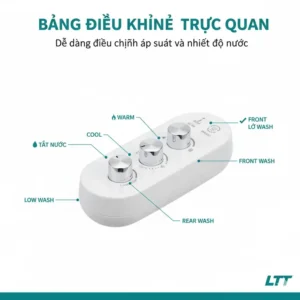
These mount under your existing toilet seat and connect to your water line. Non-electric, cold water (or hookup to warm water in some cases). Think of them as the “starter pack” of bidets.
Advantages:
- Extremely affordable
- Fast installation (10-20 minutes)
- Renter-friendly (fully reversible)
- Low maintenance
- No electricity required
Limitations:
- Usually cold water only
- Basic features
- No heated seat or air dryer
- Can’t save user preferences
Electric Bidet Seats ($200-$800+)
Full seat replacements with electronic features like warm water, heated seats, air dryers, and remote controls. These are what you’ll find in fancy hotels and Japanese bathrooms.
Advantages:
- Unlimited warm water (tankless heaters)
- Heated seats (life-changing in winter)
- Air dryer (less toilet paper needed)
- Customizable water temperature and pressure
- Often include deodorizers and nightlights
Limitations:
- Expensive initial investment
- Requires nearby electrical outlet
- More complex installation
- Higher maintenance needs
- Not renter-friendly
Complete Bidet Toilets ($1,000-$5,000+)
Integrated systems where the toilet and bidet are one unit. These belong in custom home builds and luxury renovations.
Advantages:
- Seamless design
- Premium features (auto-open/close, UV sterilization)
- No attachment gaps or joints
- Often include advanced tech (Bluetooth, smart home integration)
Limitations:
- Extremely expensive
- Complex professional installation
- Hard to replace if issues arise
- Overkill for most people
For most people exploring the ltt bidet concept, attachments make the most sense. You get 80% of the benefits for 10% of the cost.
Feature Comparison: What Actually Matters
Not all bidet features are created equal. Here’s what genuinely improves your experience versus marketing fluff:
| Feature | Importance Level | Why It Matters |
|---|---|---|
| Self-Cleaning Nozzles | Critical ⭐⭐⭐ | Prevents bacterial buildup, extends lifespan |
| Adjustable Pressure | Critical ⭐⭐⭐ | Everyone has different sensitivity levels |
| Nozzle Guard/Shield | Very Important ⭐⭐ | Protects nozzles from damage and contamination |
| Dual Nozzles | Very Important ⭐⭐ | Essential for households with women |
| Quality Valves | Very Important ⭐⭐ | Metal > Ceramic > Plastic (in durability) |
| Warm Water | Nice to Have ⭐ | Comfort upgrade, not necessity |
| Angle Adjustment | Nice to Have ⭐ | Helpful but not critical for most users |
| Multiple Colors | Cosmetic | Pick what matches your bathroom |
Focus on the top three features when comparing models. Self-cleaning nozzles aren’t negotiable in my book—manually cleaning bidet nozzles is gross and most people won’t do it regularly enough.
Installation Requirements and Common Issues
Installing a bidet attachment sounds intimidating but it’s honestly easier than assembling IKEA furniture. Here’s what you actually need and what commonly goes wrong:
What You’ll Need
Tools (Usually):
- Adjustable wrench or pliers
- Screwdriver (often included)
- Towel (for water dribbles)
- Optional: Teflon tape (often included)
Toilet Requirements:
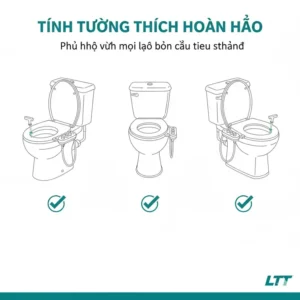
- Standard two-piece toilet (tank + bowl)
- Accessible water supply valve
- 2-3 inches space between seat and tank
- Standard seat bolt spacing
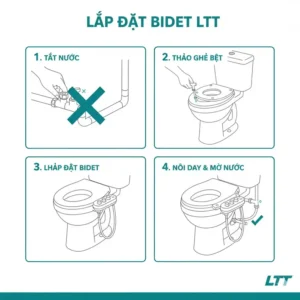
Step-by-Step Process
- Turn off water at the supply valve behind toilet
- Flush toilet to drain tank completely
- Remove existing seat (unscrew two bolts)
- Install T-adapter on fill valve under tank
- Place bidet on bowl, align with bolt holes
- Reinstall seat on top of bidet
- Connect hose from T-adapter to bidet
- Turn water back on slowly
- Check for leaks at all connection points
- Test spray over bowl before use
The whole process takes 10-20 minutes for your first time, maybe 5 minutes once you’ve done it before.
Common Installation Problems
Issue: T-adapter won’t thread onto fill valve
Solution: You might have non-standard fittings. Check if you need a 3/8″ to 1/2″ adapter (sold separately)
Issue: Bidet attachment tilts toilet seat at awkward angle
Solution: Use included bumpers on the seat to level it out
Issue: Water pressure too low or too high
olution: Adjust main water valve behind toilet—you don’t need it fully open
Issue: Slight leak at connection points
Solution: Hand-tighten first, then use wrench for 1/4 turn more. Add Teflon tape if still leaking
Issue: Bidet doesn’t fit due to weird toilet shape
Solution: Check manufacturer’s compatibility list before buying. Some one-piece toilets don’t work with attachments
Health Benefits: Why Doctors Recommend Bidets
Let’s get real about bathroom health. Your doctor might not bring up bidets, but they’re thinking it. Water cleaning is objectively better for several medical reasons.
Hemorrhoid Management
According to the National Institute of Diabetes and Digestive and Kidney Diseases, hemorrhoids affect about 75% of people at some point in their lives. Toilet paper aggravates them; water soothes them.
Gentle water pressure actually provides relief while cleaning. Many gastroenterologists specifically recommend bidets to hemorrhoid patients, especially after procedures.
Postpartum Recovery
New mothers face unique hygiene challenges. Toilet paper after childbirth? Excruciating. Water cleaning? Gentle and effective. Many hospitals now recommend bidets or peri bottles for postpartum care.
Mobility and Independence
For elderly individuals or those with limited mobility, bidets restore independence. Wiping thoroughly becomes difficult with arthritis, joint pain, or limited range of motion. A bidet eliminates the need for twisting and reaching.
Urinary Tract Infection Prevention
Women using bidets with proper front-to-back washing technique see reduced UTI incidence. This comes from urological research published in peer-reviewed journals studying bidet use across populations.
Skin Health
Toilet paper, even the “soft” stuff, causes micro-abrasions. For people with sensitive skin, eczema, psoriasis, or other conditions, this constant friction creates inflammation. Water eliminates this entirely.
Anal Fissure Prevention
Repeatedly wiping with paper can contribute to anal fissures—small tears in the anal lining that are painful and slow to heal. Bidets reduce the mechanical irritation that causes these issues.
Environmental Impact: The Paper Problem
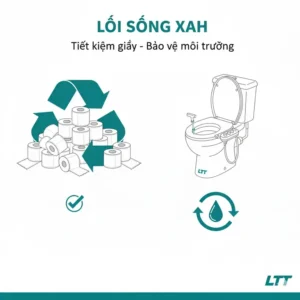
Americans use about 36.5 billion rolls of toilet paper annually. That’s roughly 15 million trees cut down, 473 billion gallons of water used in production, and 253,000 tons of chlorine for bleaching. These numbers come from environmental research by the Natural Resources Defense Council.
The Real Cost of TP
Per person annually:
- 100 rolls of toilet paper
- 384 trees cut (over 70 years)
- 43,000 gallons of water (in production)
- $150-$300 spent
With a bidet:
- 10-20 rolls (for drying only)
- 90% reduction in paper use
- Minimal water use (~1/8 gallon per use)
- Bidet pays for itself in 4-8 months
The Recycled Paper Myth
“But I buy recycled TP!” Great, that’s better than virgin paper. But recycled toilet paper still requires:
- Energy-intensive de-inking processes
- Water for re-pulping
- Chemicals for sanitization
- Transportation emissions
Using a fraction of the paper (even recycled) dramatically reduces your environmental footprint.
Water Usage Reality Check
People worry about water waste with bidets. Let’s do the math:
- Average bidet use: 0.125 gallons (1 pint)
- Producing one roll of TP: 37 gallons
- You’d need to use your bidet 296 times to equal the water cost of making one toilet paper roll
Even if you use your bidet 5 times daily, that’s still massively more efficient than toilet paper production.
Cost Analysis: When Does A Bidet Pay For Itself?
Let’s break down the economics because this is where bidet skeptics become bidet enthusiasts.
Initial Investment Comparison
| Cost Category | Budget Option | Mid-Range | Premium |
|---|---|---|---|
| Bidet Cost | $30-$50 | $70-$120 | $150-$250 |
| Installation | DIY ($0) | DIY ($0) | DIY or Pro ($50-100) |
| Total Upfront | $30-$50 | $70-$120 | $200-$350 |
Monthly Operating Costs
Traditional Toilet Paper:
- Single person: $12-20/month
- Couple: $20-35/month
- Family of 4: $30-50/month
Bidet System:
- Water cost: $0.30-$0.80/month
- Reduced TP (for drying): $2-5/month
- Total: $2.30-$5.80/month
Break-Even Timeline
Single person:
- Saves ~$15/month
- Budget bidet pays for itself: 2-3 months
- Premium bidet pays for itself: 12-15 months
Family of 4:
- Saves ~$35/month
- Budget bidet pays for itself: 1-2 months
- Premium bidet pays for itself: 6-9 months
After break-even, you’re literally flushing money down the toilet by not having a bidet. Over 10 years, a family of 4 saves approximately $3,800 with a $100 bidet investment.
Hidden Financial Benefits
Medical Cost Reduction:
- Fewer hemorrhoid treatments ($50-$500 saved)
- Reduced UTI incidents ($30-$100 per infection prevented)
- Less skin irritation treatment ($20-$80 saved)
Plumbing Savings:
- Reduced toilet clogs from excessive TP
- Less septic system strain (if applicable)
- Fewer emergency plumber calls ($150-$300 per incident)
Maintenance and Longevity Tips
Bidets require minimal maintenance, but doing these simple tasks extends their lifespan dramatically.
Weekly Maintenance (2 minutes)
✅ Wipe down the bidet with a damp cloth. That’s it. Don’t use harsh chemicals—mild soap and water work perfectly.
✅ Run the self-cleaning cycle 2-3 times if your model has one. This prevents mineral buildup.
✅ Check for leaks at connection points. Catch them early before water damage occurs.
Monthly Maintenance (5 minutes)
✅ Deep clean nozzles using white vinegar. Run self-clean, apply vinegar with cotton swab, rinse with self-clean again.
✅ Inspect hoses and connections for wear, cracks, or calcium deposits.
✅ Tighten any loose fittings (hand-tight plus 1/4 turn with wrench).
Quarterly Maintenance (10 minutes)
✅ Remove and clean the entire bidet if you have a Plus model with EZ-Lift. For standard models, clean around it thoroughly.
✅ Check T-adapter and valves for corrosion or mineral buildup.
✅ Replace washers if you notice any dripping (washers cost pennies).
Hard Water Considerations
If you have hard water, mineral deposits become your enemy. Solutions:
- Install an inline water filter ($15-$30)
- Use CLR or vinegar monthly for descaling
- Consider a whole-house water softener (expensive but beneficial)
Lifespan Expectations
With proper maintenance:
- Budget bidets: 3-5 years
- Mid-range bidets: 5-8 years
- Premium bidets: 8-12+ years
The quality of your water and how well you maintain it matters more than the model itself. A $40 bidet maintained well outlasts a $120 bidet neglected.
Comparing Performance Metrics Across Models
| Model | Pressure Range | Nozzle Type | Installation | Water Type | Warranty |
|---|---|---|---|---|---|
| LUXE NEO 120 | Low-High | Single (Rear) | Easy (15 min) | Cold | 18 months |
| TUSHY Classic 3.0 | Variable | Single (Rear) | Easy (8 min) | Cold | 12 months |
| LUXE NEO 185 | Low-High | Dual | Easy (15 min) | Cold | 18 months |
| Bio Bidet SlimEdge | Medium-High | Dual | Moderate (20 min) | Cold | 12 months |
| SAMODRA Ultra-Slim | Low-High | Dual | Easy (10 min) | Cold | 18 months |
| LUXE NEO 120 Plus | Low-High | Single (Rear) | Very Easy (10 min) | Cold | 18 months |
| LUXE NEO 320 | Low-High | Dual | Moderate (25 min) | Hot + Cold | 18 months |
User Compatibility Guide
Different bidets suit different needs. Here’s how to match your situation with the right model:
| User Profile | Recommended Model | Why |
|---|---|---|
| First-Timer | LUXE NEO 120 | Low cost, simple operation, builds confidence |
| Women/Couples | LUXE NEO 185 or SAMODRA | Dual nozzles essential for feminine hygiene |
| Design-Focused | Bio Bidet SlimEdge or TUSHY | Sleek aesthetics, premium look |
| Budget-Conscious | SAMODRA Ultra-Slim | Best features-per-dollar ratio |
| Elderly/Mobility Issues | LUXE NEO 120 Plus | Easy-lift for cleaning, simple controls |
| Cold-Sensitive | LUXE NEO 320 | Warm water without electricity |
| Renters | TUSHY Classic 3.0 or LUXE NEO 120 | Fast install/removal, well-documented process |
| Families with Kids | LUXE NEO 185 or SAMODRA | Intuitive controls, durable construction |
Common Mistakes to Avoid
After helping dozens of friends and family install bidets, I’ve seen the same mistakes repeatedly. Learn from others’ errors:
Mistake #1: Not Measuring First
That space between your seat and toilet tank matters. If it’s less than 2 inches, some bidets won’t fit. Measure before you order, or you’ll be doing returns.
Mistake #2: Over-Tightening Connections
Hand-tight plus a quarter turn is enough. Over-tightening cracks plastic fittings and strips threads. Leaks almost always come from under-tightening, not the reverse.
Mistake #3: Skipping the Teflon Tape
Most kits include it for a reason. Wrap it clockwise around threads (same direction you’ll be screwing) for 2-3 layers. This prevents leaks and makes future removal easier.
Mistake #4: Not Testing Over the Bowl First
Before your first real use, test the spray into the bowl. This lets you gauge pressure and angle without, uh, surprises. Trust me on this.
Mistake #5: Forgetting Bumpers
Your seat might tilt slightly with the bidet underneath. Use included bumpers on the opposite side to level it. Tilted seats are uncomfortable and eventually loosen.
Mistake #6: Installing on One-Piece Toilets Without Checking
Some one-piece toilets work fine with attachments, others don’t have the clearance or proper mounting points. Check the manufacturer’s compatibility guide before assuming it’ll fit.
The Future of Bathroom Hygiene in America
The ltt bidet phenomenon represents something bigger—America’s slow adoption of better bathroom practices. We’re finally catching up to Japan, Europe, and the Middle East.
Market research shows US bidet sales growing 25-40% annually since 2020. That toilet paper shortage? It accelerated the trend but didn’t create it. People were already discovering that water beats paper.
What’s Coming Next
Smart Home Integration: Bidets connecting to Alexa, Google Home, or Apple HomeKit for voice-activated controls and usage tracking. Weird? Maybe. Convenient? Absolutely.
Sustainability Focus: More eco-conscious consumers driving demand. Bidets becoming a “green living” staple alongside reusable bags and solar panels.
Medical Recommendations: Doctors increasingly suggesting bidets for patients with various conditions. Expect more formal endorsements from medical associations.
Price Drops: As production scales up, even premium features become affordable. Today’s $150 bidet has features that cost $400 five years ago.
Mainstream Acceptance: The “weird foreign toilet thing” stigma is dying. In ten years, not having a bidet might seem as odd as not having a shower.
💦 Don’t Wait Another Day for Better Hygiene!
Click on any highlighted bidet above to see today’s pricing on Amazon. With free shipping on most models and easy returns if it doesn’t work for your setup, there’s zero risk in trying. Your upgraded bathroom experience is just a click away! 🛁✨
Conclusion
Look, I’m not here to pressure you into buying something you don’t want. But if you’re reading this far, you’re clearly curious. That curiosity is worth exploring.
The ltt bidet connection introduced thousands of people to better bathroom hygiene through a trusted tech voice. Whether you get one of the models I’ve recommended or something completely different, the important thing is making the upgrade.
Your bathroom routine happens 6-8 times daily, every day of your life. Improving it even slightly multiplies out to a massive quality-of-life boost. Better hygiene, increased comfort, lower costs, environmental benefits—it’s rare to find something with so many positives and virtually no downsides.
The hardest part is just deciding to try it. After that first week of use, you’ll wonder why you waited so long. Every bidet owner I know says the same thing: “I’m never going back.”
Start with a budget model like the LUXE Bidet NEO 120 if you’re testing the waters. Upgrade to something like the TUSHY Classic 3.0 or LUXE NEO 185 when you’re ready for more features. Or go straight to the LUXE NEO 320 if warm water is non-negotiable.
Whatever you choose, you’re making a smart decision. Your butt will thank you. Your wallet will thank you. The environment will thank you.
Welcome to the clean side. 🚿
FAQs
❓ Do bidets really save money compared to toilet paper?
✅ Absolutely—the average person spends $150-$300 yearly on toilet paper while a bidet costs under $100 and uses only $0.30-$0.80 monthly in water. Most bidet attachments pay for themselves within 2-4 months through reduced toilet paper consumption. Families of four can save over $400 annually, and that’s before accounting for fewer plumbing issues from excessive paper use…
❓ Can you install a bidet attachment yourself without a plumber?
✅ Yes—bidet attachments are designed for DIY installation and typically take 10-20 minutes with just a screwdriver and adjustable wrench. The process involves turning off water, connecting a T-adapter to your fill valve, placing the bidet under your seat, and reconnecting everything. Most people complete installation on their first attempt, and detailed instructions plus video tutorials come with every quality bidet…
❓ What's the difference between single and dual nozzle bidets?
✅ Single nozzle bidets provide rear wash only while dual nozzle models include both rear wash and feminine wash with separate spray patterns. The feminine wash uses a gentler, wider spray angled forward for women’s hygiene needs. Couples and families with women should prioritize dual nozzle models like the LUXE NEO 185 or SAMODRA Ultra-Slim for comprehensive cleaning options…
❓ Is cold water uncomfortable when using bidet attachments?
✅ Most users adapt to cold water within 3-5 uses and many find it refreshing, especially in warm weather. In winter months some people notice the temperature more, but adjustable pressure settings help minimize discomfort. For those in very cold climates or with sensitivity concerns, warm water models like the LUXE NEO 320 connect to your sink’s hot water line without requiring electricity…
❓ Will a bidet attachment fit my specific toilet model?
✅ Standard bidet attachments fit most two-piece toilets where the tank and bowl are separate components. You’ll need 2-3 inches of space between your seat and tank, plus standard 5.5 inch bolt hole spacing. One-piece toilets sometimes accommodate attachments but require checking manufacturer compatibility charts. Measure your toilet dimensions and review product specifications before purchasing to ensure proper fit…
Recommended for You
- Portable Electric Bidet: 7 Top Picks That Change Everything for Ultimate Freshness [2025]
- VOVO Stylement: 7 Smart Bathroom Solutions 2025 for Modern Luxury Living
- Auto Bidet Toilet: 7 Best Smart Picks + Buying Guide 2025
Disclaimer: This article contains affiliate links. If you purchase products through these links, we may earn a small commission at no additional cost to you.
✨ Found this helpful? Share it with your friends! 💬🤗